
The case for Rioja has never been stronger.
And the numbers prove it.
For decades, Bordeaux has been the default answer for serious wine collectors and vineyard investors. The prestige is real. So is the price tag. But a growing number of collectors are asking a different question: what if Bordeaux is no longer the smartest move?
La Rioja is not a consolation prize. It is an active choice, and we think, we know that is for good reason.
The Price Gap Is Not Subtle
Let’s start where the viral conversation always starts: land prices.
In 2024, vineyard land in La Rioja averaged around €40,000 per hectare for dry-farmed plots. Bordeaux-Aquitaine as a whole averaged over €101,000 per hectare. And that figure is dragged down by the entry-level appellations. Step into Saint-Emilion or Pauillac and you are looking at €290,000 to well over €2 million per hectare.
For the same investment that buys you a modest slice of mid-tier Bordeaux, you can own a meaningful, productive parcel in one of the world’s most celebrated wine regions and with room to grow.
And Rioja is growing. La Rioja land prices have risen consistently at around 3% annually over the past two decades, making it one of Spain’s strongest-appreciating wine regions. Bordeaux, by contrast, has seen significant price corrections at the entry and mid-level in recent years.
The Wine Is Not a Compromise
Some collectors hesitate here. They assume “more affordable” means “less serious.” It does not. It’s as simple as nobody had Rioja on their radar before. So that’s why we build CLOS CIEN.
Rioja produces age-worthy, structured reds built on Tempranillo a grape that rewards patience in the cellar just as Cabernet Sauvignon does. The classification system (Crianza, Reserva, Gran Reserva) is driven entirely by ageing requirements, not marketing. A Gran Reserva has spent a minimum of five years maturing before it reaches you, with at least two of those in oak. That is not a shortcut wine now is it?
Bordeaux built its reputation on terroir, tradition, and time. Rioja can match all three! And increasingly, at the international level, it does. Gran Reserva volumes are growing significantly while standard Rioja production softens, a clear signal that the market is moving upmarket.
Terroir That Tells a Story
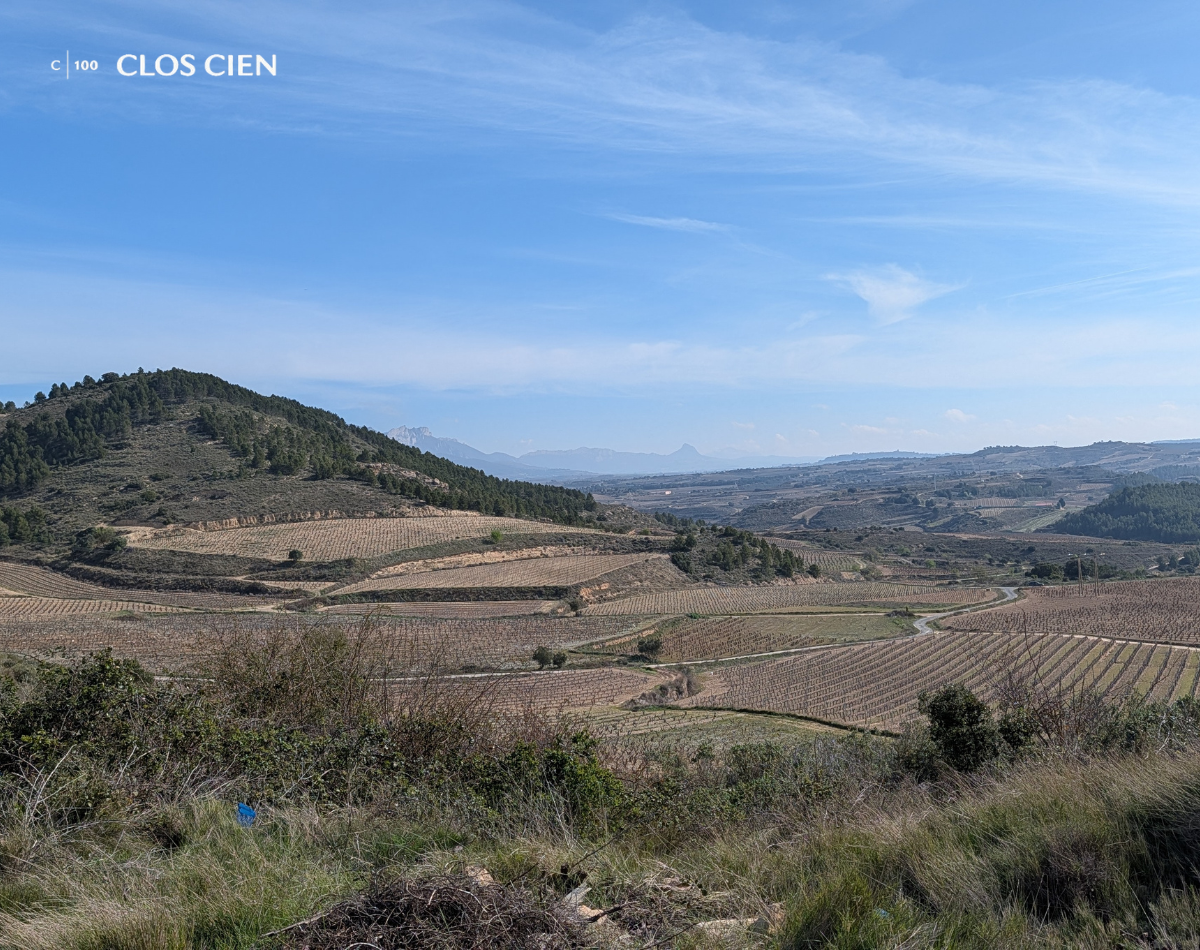
Rioja sits at an altitude – between 300 and 700 metres above sea level – along the Ebro River, with the Cantabrian Mountains to the north acting as a natural shield against Atlantic rain. The result is a continental climate with warm, dry summers and cold winters. Daily temperature swings during the growing season help grapes develop both sugar and acidity, the combination that produces wines with structure and longevity.
The three sub-zones – Rioja Alta, Rioja Alavesa, and Rioja Oriental – each offer distinct expressions. Clay-limestone soils. Alluvial plains. Iron-rich red earth. The diversity is real, and it creates wines that tell you exactly where they are from.
Bordeaux has its gravel banks and its Left Bank-Right Bank distinction. Rioja has its own layered complexity and it is far less picked over.
Lifestyle and Culture: the Intangible Return
Numbers matter. So does everything else.
Bordeaux is a saturated luxury market. Buying into it today means buying into an established hierarchy where your position is clearly defined from the start.
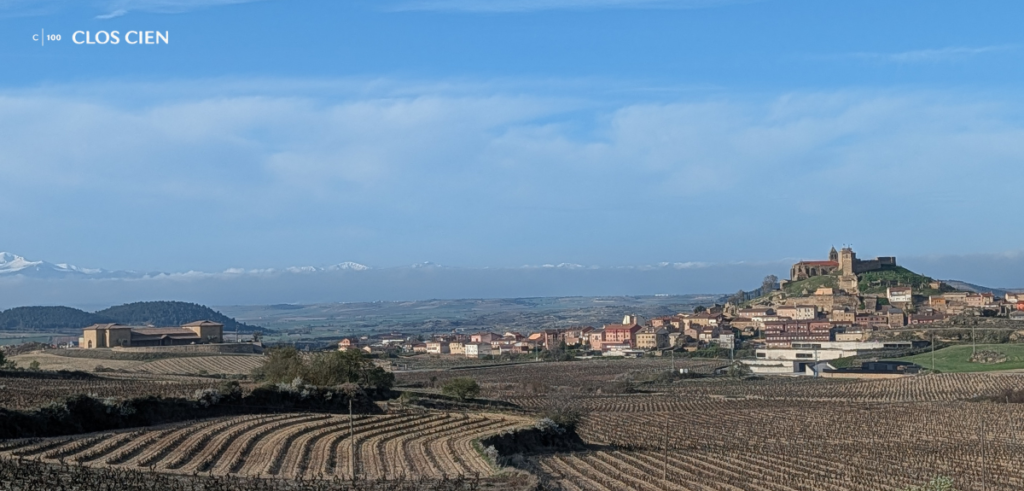
Rioja is different. The culture is generous, community-minded, and genuinely welcoming to serious newcomers. The food culture – pintxos, local markets, the rhythms of a working vineyard town – is inseparable from the wine. Owners are not just investors; they are participants in something alive.
La Rioja is also one of the most visited wine regions in Spain, with strong gastro-tourism growth. That is not irrelevant when you are thinking about the long-term value of your investment.
Resources used:
• Spanish vineyard land prices (La Rioja ~€40,155/ha, 3% annual appreciation):Vinetur.com – Spanish Vineyard Land Prices Edge Up to €16,327 per Hectare in 2024 Amid Regional Swings (published November 2025)
• Bordeaux-Aquitaine average (€101,100/ha): iDealwine blog – How much does a hectare of vineyard cost? (data from SAFER 2024/2025 report)
• Bordeaux appellation specifics (Saint-Emilion €290,000, Pauillac €2M+): Cross-referenced between the iDealwine blog and Bordeaux Wine Enthusiasts forum (original SAFER figures)
• Gran Reserva market growth signal: wein.plus Wine News – Vineyard prices on the Côte-d’Or continue to rise (March 2026 reference to Rioja losing standard volume but Gran Reserva growing significantly)
• General Bordeaux vineyard price context: Ampelio.fr – French Vineyard Prices: What You Need to Know in 2025 (October 2025)
The Collector’s Summary
| Rioja | Bordeaux | |
| Land Price (avg/ha) | ~€40,000 | €101,000–€2M+ |
| Price appreciation | ~3% annually (20yr avg) | Mixed; corrections at mid-level |
| Aging Potential | High (Gran Reserva: 5+ years) | High |
| Market Trajectory | Upmarket shift underway | Consolidation at premium end |
| Entry Accessibility | Strong | Limited at quality tier |
| Culture & Lifestyle | Community, open, growing | Established, hierarchical |
The question for collectors and investors is no longer whether Rioja belongs in the same conversation as Bordeaux. It does. The question is whether you want to buy into a market that has already peaked or one that is still finding its ceiling.
Curious about what vineyard ownership in Rioja actually looks like? Explore the CLOS CIEN membership and see how your investment takes root.