
Old Vines, Old Debate… And Why Rioja Has Already Answered It
A response from CLOS CIEN, Rioja Alavesa
The conversation around old-vine wine has been simmering for years, and pieces like this one are doing important work in bringing it to a wider audience. The science is accumulating and the consumer curiosity is there. What has been missing, until relatively recently, is a regulatory framework with enough teeth to give “old vine” real meaning beyond the marketing department.
In Rioja, that framework now exists. And it changes the terms of the debate considerably.
How Rioja Made Old Vines Legally Meaningful
In 2017, DOCa Rioja did exactly that, formally approving the Viñedo Singular designation and implementing it from 2019 onwards. It is worth understanding what that classification actually demands, because it goes considerably further than a minimum vine age.
What Viñedo Singular Actually Demands
| Requirement | Standard |
|---|---|
| Minimum Vine Age | 35+ years |
| Harvest Method | Exclusively by hand |
| Yield Limit | Max 5,000 kg/ha (Red) |
| Tasting Panel | Two blind tastings (must be “Excellent”) |
| Exclusivity | 10 uninterrupted years of use |
The EU formally approved Viñedo Singular as a geographical indication in 2026. As of mid-2023, 148 Viñedo Singular sites covering approximately 246 hectares had been officially recognised across Rioja, owned by 90 different wineries. This is not a commercial category. It is an acknowledgement that certain parcels of land, worked by certain vines over decades, produce something categorically different.
From Oak-First to Terroir-First: The 2018 Reform
The Viñedo Singular classification grew out of a long-running debate within Rioja about the primacy of terroir over oak ageing as a quality marker. The 2018 reform moved Rioja from being focused primarily on ageing and oaking to a more all-encompassing system inspecting the terroir of the wine. Viñedo Singular sits at the apex of that shift.
Why This Matters at CLOS CIEN
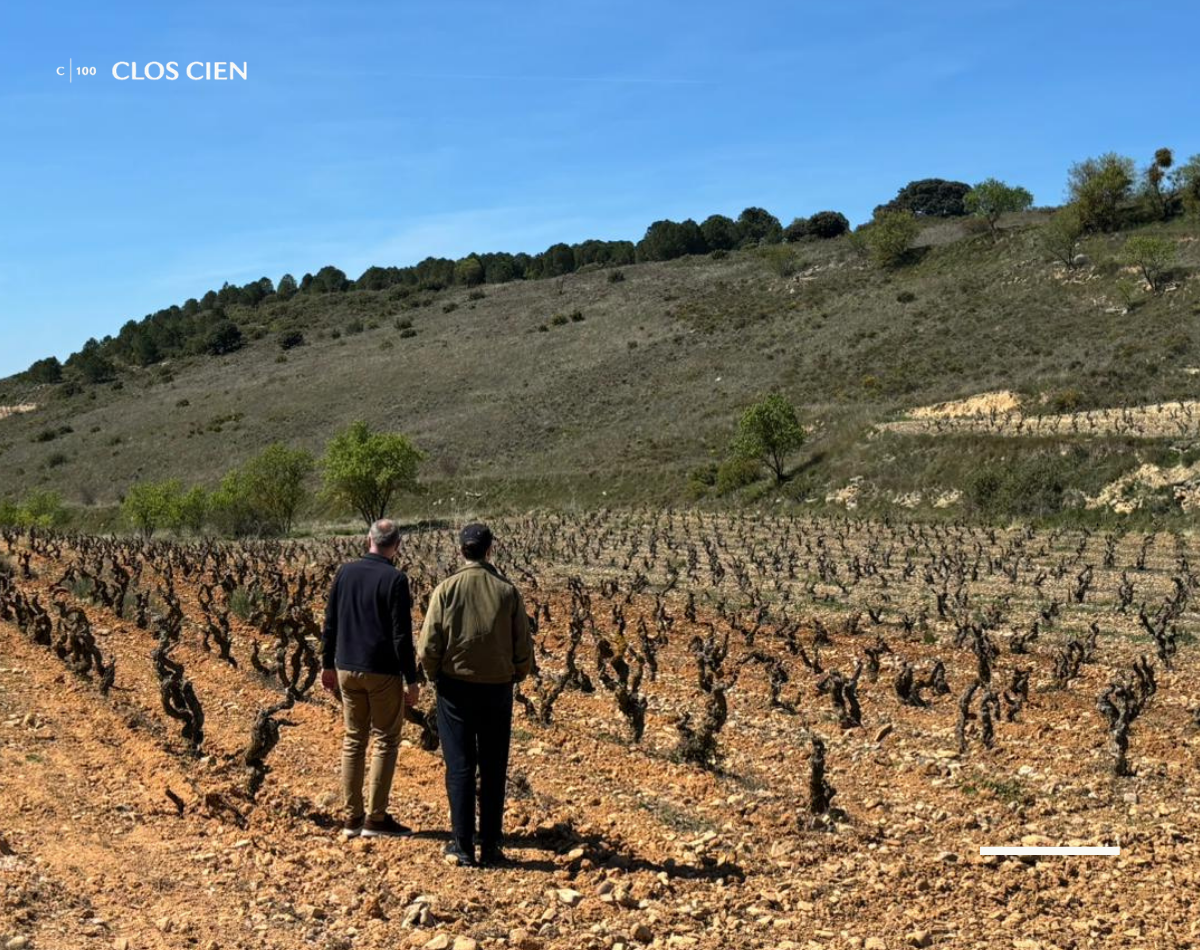
At CLOS CIEN, this is not an abstract policy discussion. It is the foundation of everything we do. We operate within the Rioja Alavesa subzone, where calcareous clay soils over limestone bedrock produce wines of distinctive acidity and definition. Every vineyard in our portfolio sits between 35 and 100 years old. That is not a marketing position. It is a strict operational parameter.
What an Old Vine Actually Records
When a member of ours stands in a vineyard in Samaniego, El Villar or Laguardia and looks at vines planted sixty or seventy years ago, they are not looking at an agricultural asset. They are looking at a living record of decisions made by the people who farmed that land before them. Those decisions accumulated over decades into the soil chemistry, the root depth, and the natural yield regulation. That is not just quality. That is resilience.
The Market Gap That Remains
What remains true is that the market has not yet fully priced in the difference. A wine from 80-year-old Tempranillo vines in Rioja Alavesa may not command the same premium as a grand cru Burgundy made from vines of comparable age. That gap is narrowing, and for those paying attention, Rioja’s old-vine story is one of the most compelling undervalued narratives in the fine wine world today.
CLOS CIEN is a fractional vineyard ownership and premium winemaking platform based in Rioja Alavesa, DOCa Rioja. Members create their own fine wines from old-vine parcels with a minimum age of 35 years. For further information, visit closcien.com