Category: Vineyard Life

  • Member Series: My Third Month
The Green Resurrection (and the moment I stopped worrying)

    Member Series: My Third Month The Green Resurrection (and the moment I stopped worrying)

    March at CLOS CIEN.
    The vines are waking up. And so, I think, am I.

    January was pruning. February, the vine wept its first sap and I learned what it meant. I thought I was beginning to understand the rhythm of this place. Then March arrived and the vineyard changed so completely that I had to start paying attention all over again.

    Desborre. Budburst. I had been warned to watch for it. What I was not prepared for was how it would actually feel to see it.

    The Morning I Saw It

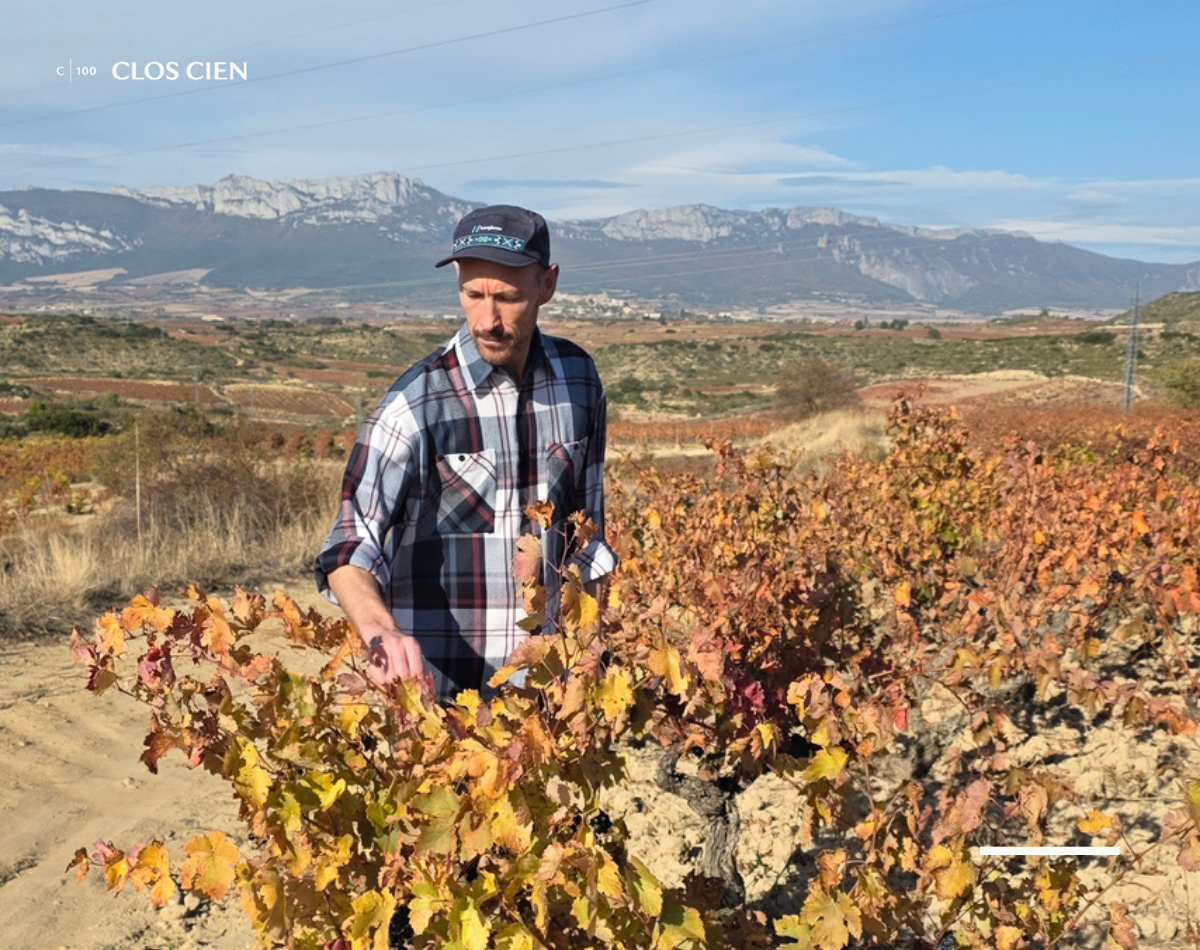
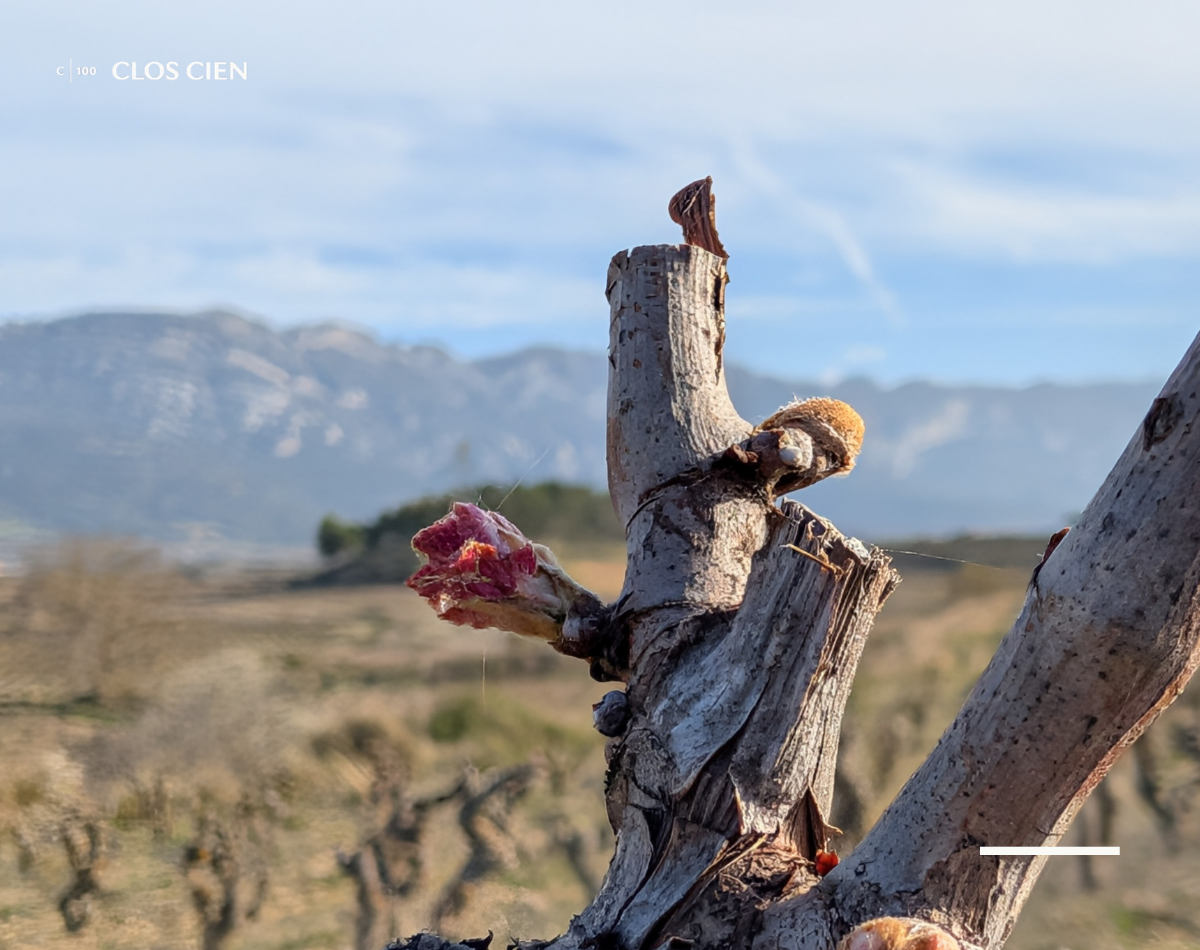
    I was standing at the edge of one of the plots on a morning in mid-March, the kind of clear, cold morning where the Cantabrian Mountains are so sharp you feel like you could reach them. And there, at the tips of the pruning cuts, the first woolly green shoots were pushing out. Small. Almost furry. Unmistakably alive.

    After months of bare brown wood and patience, those tiny green points felt enormous.

    This is what all of February was building toward. The sap that wept from the cuts last month was the vine’s vascular system clearing itself, sending water and minerals upward. Now that pressure has done its work. When soil temperature tips above a certain point, the buds can no longer hold back. They swell, split their protective coating, and push out the first growth of the 2026 vintage.

    The vine has survived winter. The growing season has begun. Your wine is on its way.

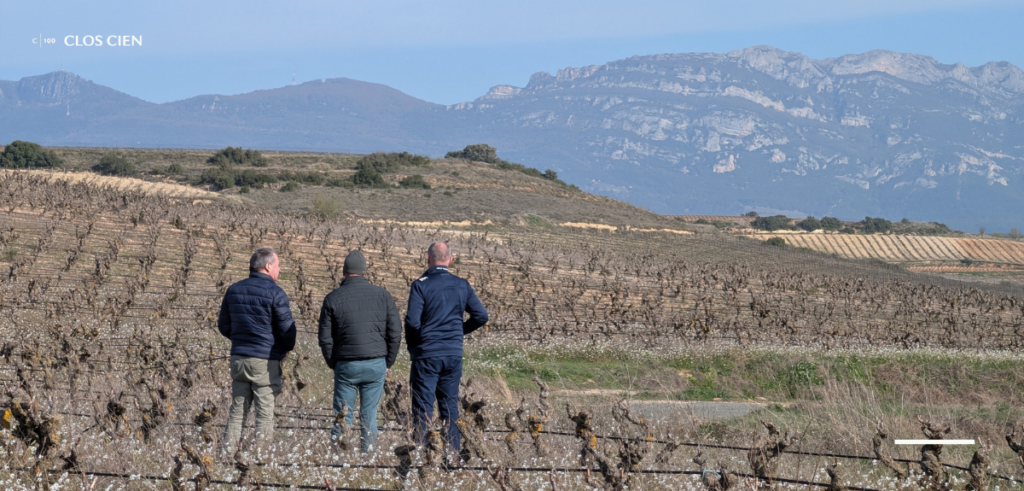
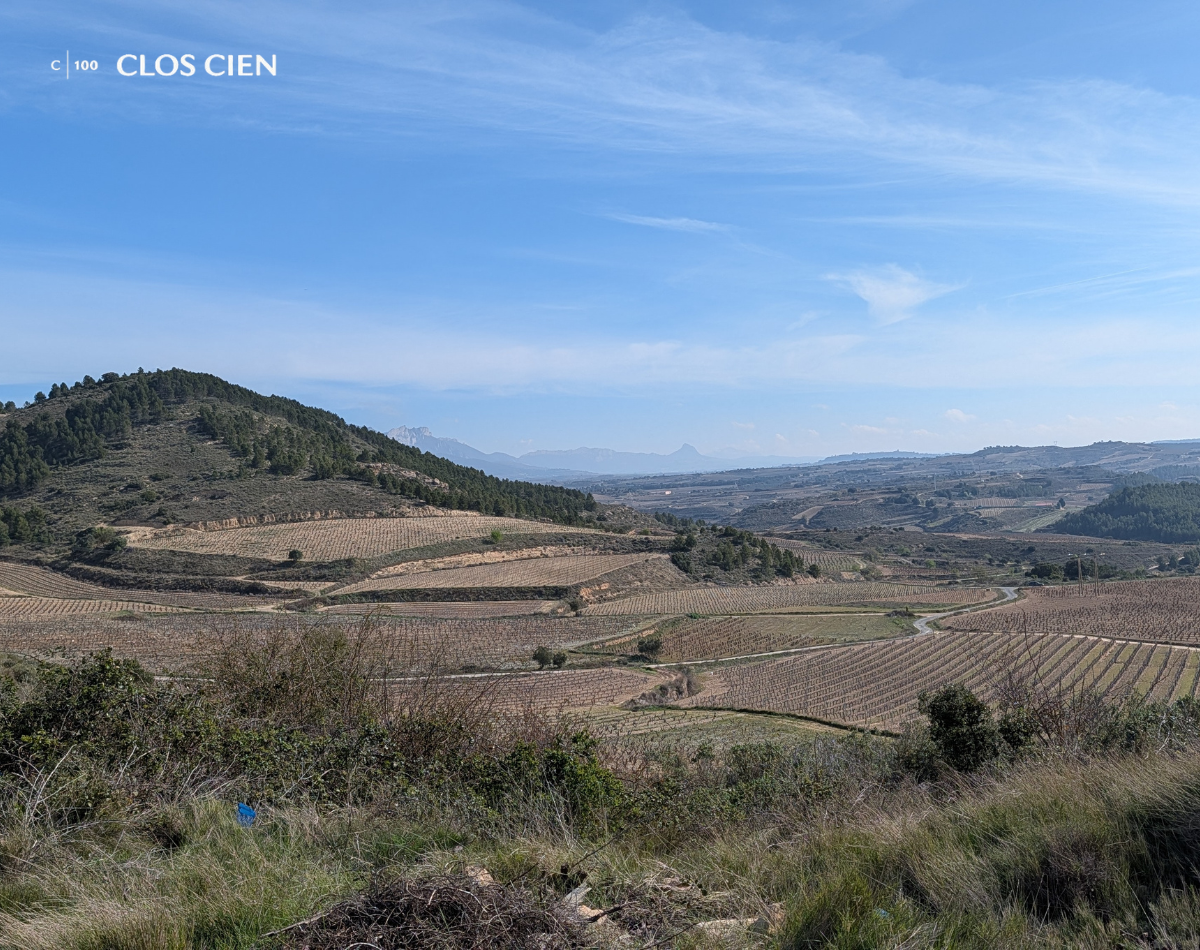
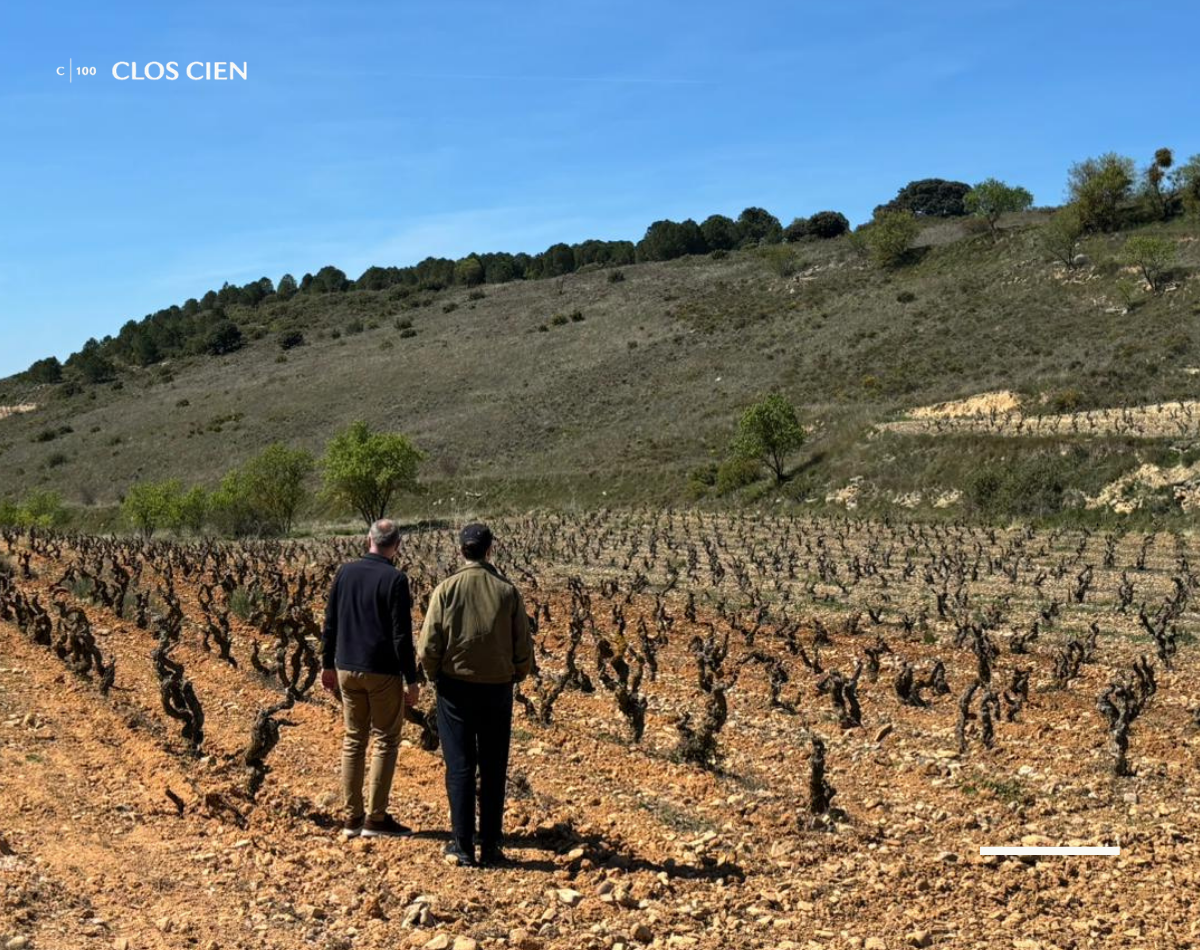
    Three members of the CLOS CIEN team standing among dormant Vaso vine rows in La Rioja, looking out over the vineyard landscape toward the Cantabrian Mountains in early spring

    Image Source: CLOS CIEN

    What I Did Not Know About a Bud

    Here is something that changed how I think about these vines entirely. What looks like a single dormant bud on each shoot is actually three buds nested inside each other. Millions of years of evolution with one purpose: the vine survives no matter what.

    The primary bud carries this year’s fruit clusters. It is the one everything is organised around. If a late frost kills it, the secondary bud pushes out, carrying roughly half the fruit. If that is lost too, the tertiary bud is the last resort, with almost no fruit but the vine lives.

    I keep thinking about this. The vine has been planning for disaster since before humans existed. It is, in the most practical sense, built to last.

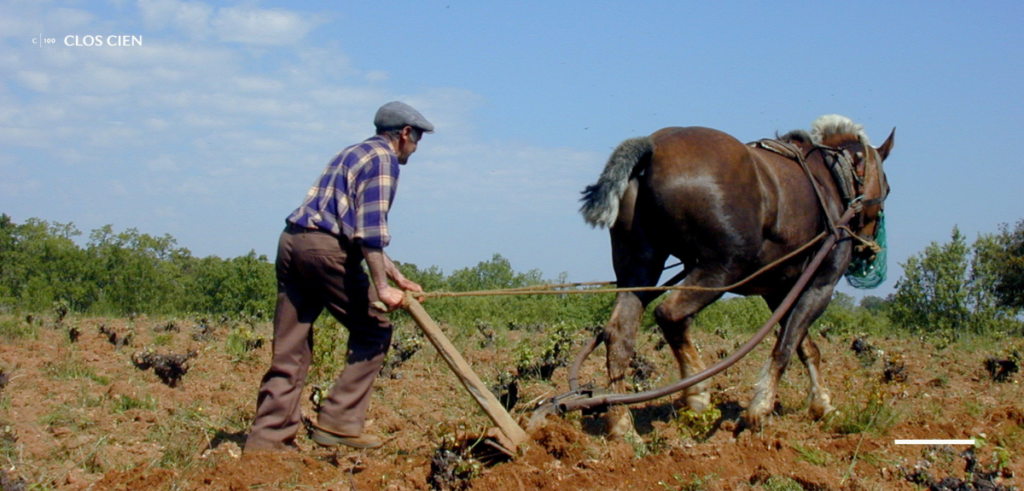
    A vintner using a horse-drawn plough to turn the soil between old Vaso bush vines during La Labranza, the traditional spring ploughing, in a Spanish vineyard with red clay soil

    Image Source: CLOS CIEN

    The First Work of Spring

    While the buds were pushing green outside, the team was moving through the vineyard doing two things I had never heard of before.

    La Labranza, the first ploughing of spring. A light pass through the cover crops and winter weeds between the vines, turning the green matter into the soil where it breaks down and releases nitrogen exactly when the vine needs it. But also, and this surprised me, sealing moisture in. Ploughing breaks the surface crust and stops the process that pulls water upward through the soil and evaporates it into the air. The winter rains get locked underground so the roots can reach them in July when the vineyard runs dry. I had never thought about soil as something that holds memory. It does.

    Then Desnietado, suckering. New shoots appear at the base of the trunk, below the main head of the vine. They are called nietos in Spanish. Grandchildren. They sound charming. They are thieves. Every bit of sap they take is sap the fruit-bearing shoots do not get. In March, while they are still soft, they are snapped off by hand. Tedious, I was told. Essential.

    In the Cellar: The Art of the Blend

    While the vines were waking up outside, something equally important was happening inside the bodega.

    March is the traditional month for El Ensamblaje, the blending. The 2024 harvest has been kept deliberately apart in separate barrels since it was made. Tempranillo from a sandy plot. Graciano from a clay-heavy hillside. Wine from older vines alongside wine from younger ones. Each developing its own character in the dark.

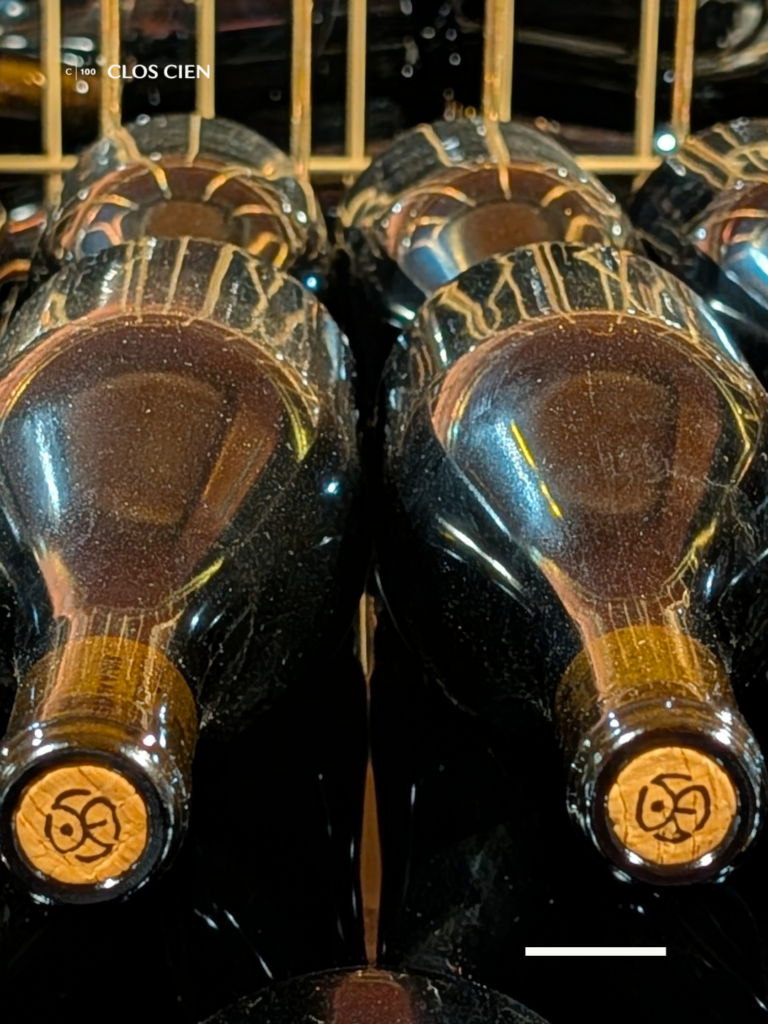
    CLOS CIEN wine bottles resting horizontally in a cellar rack during the ageing process, showing the branded cork and dusty glass of wines maturing in Rioja, Spain

    Now Jaione and the technical team sit down with all of it and decide how these separate voices come together to tell one story. I was told that blending sounds romantic. In practice it begins with a notebook, a pipette, and dozens of small glasses. Ninety parts this, ten parts that. Taste blind. Adjust. Repeat.

    What eventually goes into the bottle is no longer a collection of parts. It is one thing.

    What March Actually Is

    I came into this thinking the exciting months would be harvest and budburst. They are. But I am learning that every month here is doing something that matters.

    Those first green shoots are your 2026 vintage beginning. The blended wine resting in tank is your 2024 vintage finding its final shape. Both things are happening at the same time. The vineyard is always at multiple points in the story simultaneously.

    Next month: the primera inflorescencia, the first tiny flower clusters, the earliest indication of where this year’s grapes will actually form. One of the most fragile moments of the growing season. I am already nervous about the frost.

    Want to follow along as my first year at CLOS CIEN unfolds?

  • Rioja vs. Bordeaux: What Collectors Need to Know

    Rioja vs. Bordeaux: What Collectors Need to Know

    The case for Rioja has never been stronger.
    And the numbers prove it.

    For decades, Bordeaux has been the default answer for serious wine collectors and vineyard investors. The prestige is real. So is the price tag. But a growing number of collectors are asking a different question: what if Bordeaux is no longer the smartest move?

    La Rioja is not a consolation prize. It is an active choice, and we think, we know that is for good reason.


    The Price Gap Is Not Subtle

    Let’s start where the viral conversation always starts: land prices.

    In 2024, vineyard land in La Rioja averaged around €40,000 per hectare for dry-farmed plots. Bordeaux-Aquitaine as a whole averaged over €101,000 per hectare. And that figure is dragged down by the entry-level appellations. Step into Saint-Emilion or Pauillac and you are looking at €290,000 to well over €2 million per hectare.

    For the same investment that buys you a modest slice of mid-tier Bordeaux, you can own a meaningful, productive parcel in one of the world’s most celebrated wine regions and with room to grow.

    And Rioja is growing. La Rioja land prices have risen consistently at around 3% annually over the past two decades, making it one of Spain’s strongest-appreciating wine regions. Bordeaux, by contrast, has seen significant price corrections at the entry and mid-level in recent years.

    The Wine Is Not a Compromise

    Some collectors hesitate here. They assume “more affordable” means “less serious.” It does not. It’s as simple as nobody had Rioja on their radar before. So that’s why we build CLOS CIEN.

    Rioja produces age-worthy, structured reds built on Tempranillo a grape that rewards patience in the cellar just as Cabernet Sauvignon does. The classification system (Crianza, Reserva, Gran Reserva) is driven entirely by ageing requirements, not marketing. A Gran Reserva has spent a minimum of five years maturing before it reaches you, with at least two of those in oak. That is not a shortcut wine now is it?

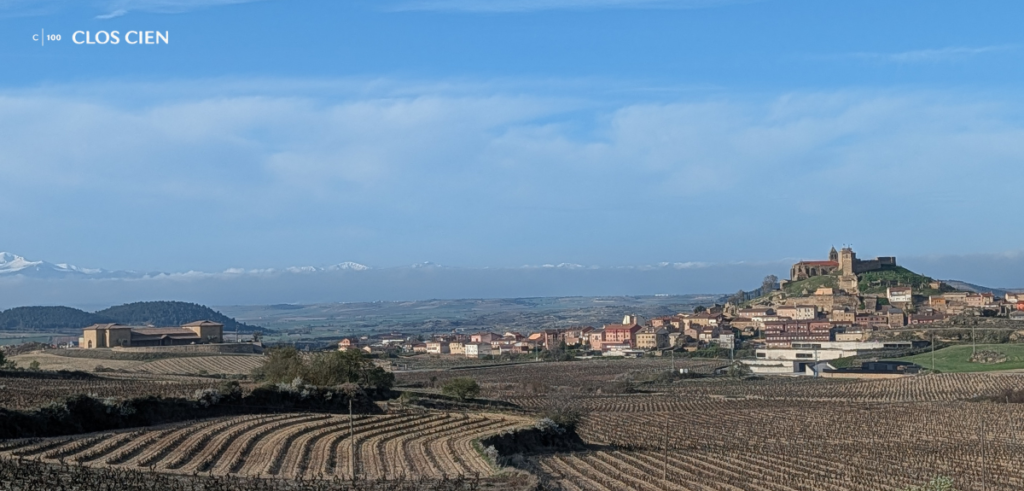
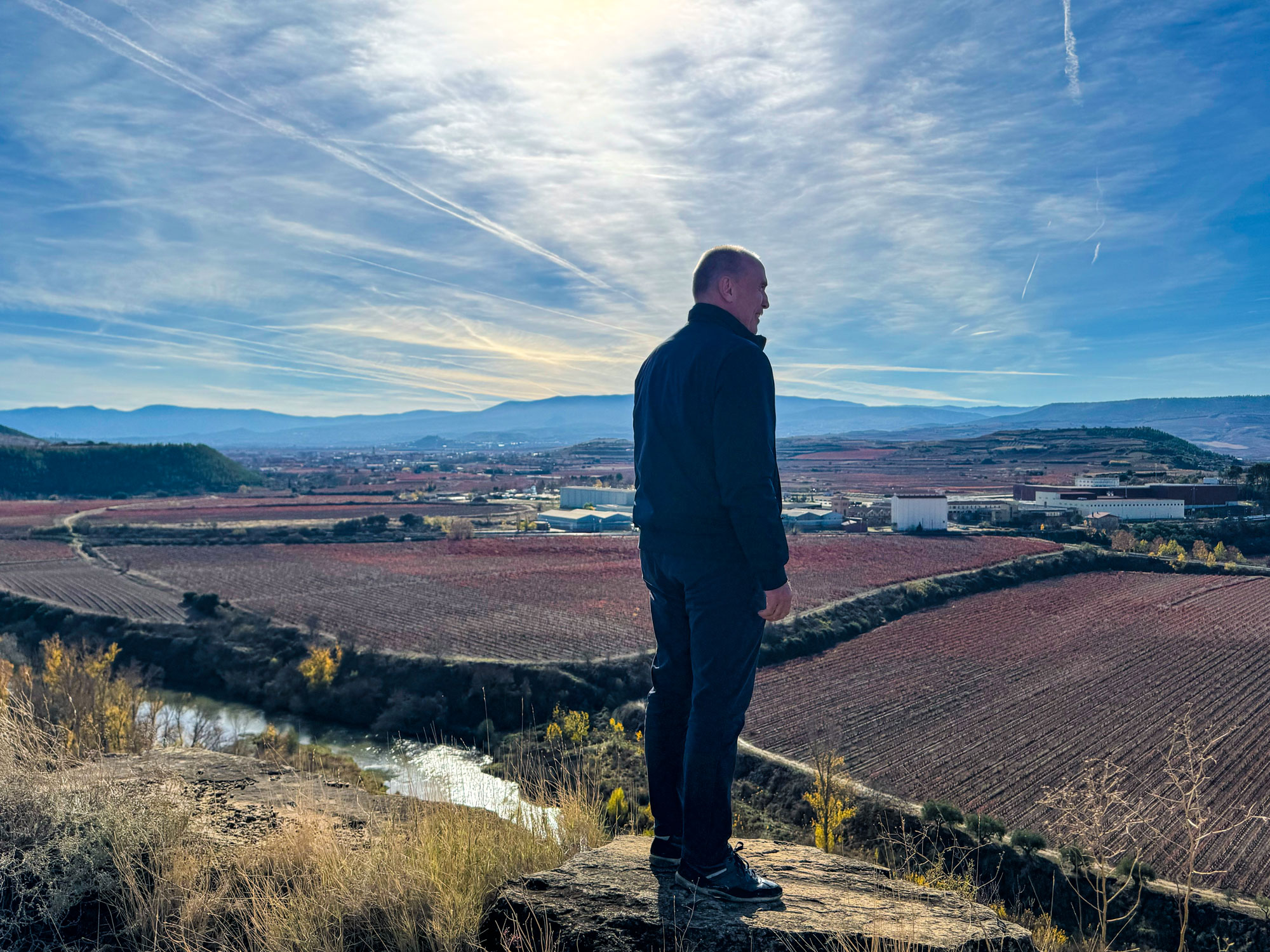
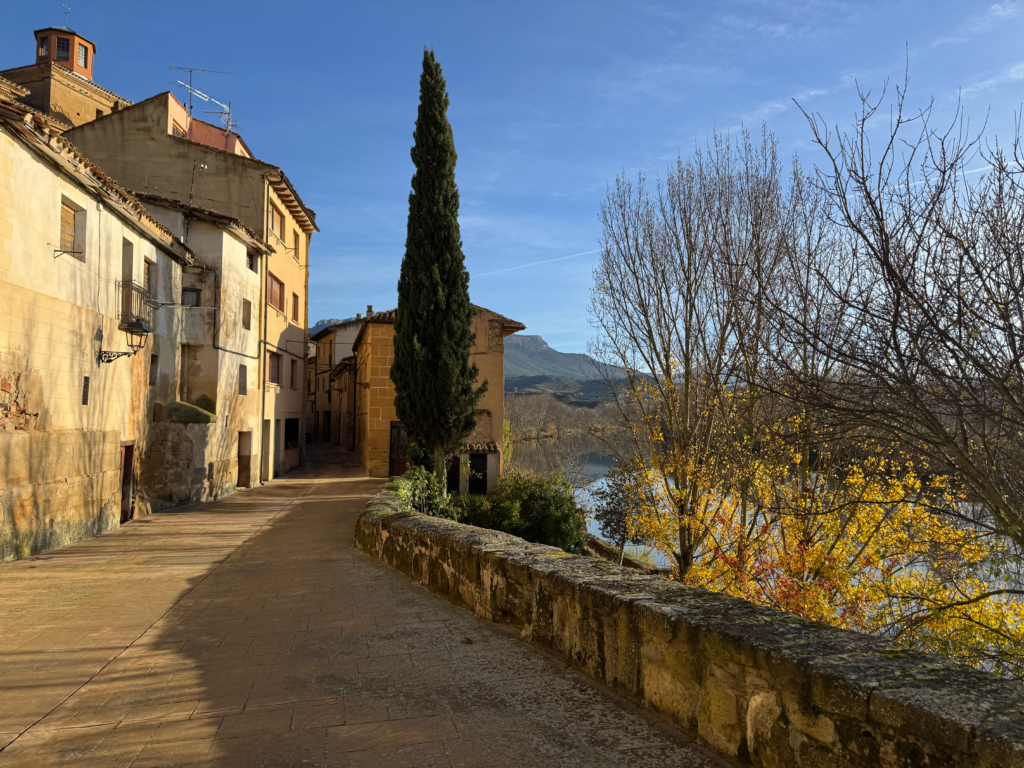
    San Vicente de la Sonsierra, La Rioja, March 2026. Dormant vines frame one of the region's most iconic hilltop villages a landscape shaped by altitude, continental climate, and centuries of winegrowing tradition.

    Bordeaux built its reputation on terroir, tradition, and time. Rioja can match all three! And increasingly, at the international level, it does. Gran Reserva volumes are growing significantly while standard Rioja production softens, a clear signal that the market is moving upmarket.

    Terroir That Tells a Story

    Rioja sits at an altitude – between 300 and 700 metres above sea level – along the Ebro River, with the Cantabrian Mountains to the north acting as a natural shield against Atlantic rain. The result is a continental climate with warm, dry summers and cold winters. Daily temperature swings during the growing season help grapes develop both sugar and acidity, the combination that produces wines with structure and longevity.

    The three sub-zones – Rioja Alta, Rioja Alavesa, and Rioja Oriental – each offer distinct expressions. Clay-limestone soils. Alluvial plains. Iron-rich red earth. The diversity is real, and it creates wines that tell you exactly where they are from.

    Bordeaux has its gravel banks and its Left Bank-Right Bank distinction. Rioja has its own layered complexity and it is far less picked over.

    Lifestyle and Culture: the Intangible Return

    Numbers matter. So does everything else.

    Bordeaux is a saturated luxury market. Buying into it today means buying into an established hierarchy where your position is clearly defined from the start.

    Rioja is different. The culture is generous, community-minded, and genuinely welcoming to serious newcomers. The food culture – pintxos, local markets, the rhythms of a working vineyard town – is inseparable from the wine. Owners are not just investors; they are participants in something alive.

    La Rioja is also one of the most visited wine regions in Spain, with strong gastro-tourism growth. That is not irrelevant when you are thinking about the long-term value of your investment.

    Resources used:

    • Spanish vineyard land prices (La Rioja ~€40,155/ha, 3% annual appreciation):Vinetur.com – Spanish Vineyard Land Prices Edge Up to €16,327 per Hectare in 2024 Amid Regional Swings (published November 2025)

    • Bordeaux-Aquitaine average (€101,100/ha): iDealwine blog – How much does a hectare of vineyard cost? (data from SAFER 2024/2025 report)

    • Bordeaux appellation specifics (Saint-Emilion €290,000, Pauillac €2M+): Cross-referenced between the iDealwine blog and Bordeaux Wine Enthusiasts forum (original SAFER figures)

    • Gran Reserva market growth signal: wein.plus Wine News – Vineyard prices on the Côte-d’Or continue to rise (March 2026 reference to Rioja losing standard volume but Gran Reserva growing significantly)

    • General Bordeaux vineyard price context: Ampelio.fr – French Vineyard Prices: What You Need to Know in 2025 (October 2025)

    The Collector’s Summary

     RiojaBordeaux
    Land Price (avg/ha)~€40,000€101,000–€2M+
    Price appreciation~3% annually (20yr avg)Mixed; corrections at mid-level
    Aging PotentialHigh (Gran Reserva: 5+ years)High
    Market TrajectoryUpmarket shift underwayConsolidation at premium end
    Entry AccessibilityStrongLimited at quality tier
    Culture & LifestyleCommunity, open, growingEstablished, hierarchical

    The question for collectors and investors is no longer whether Rioja belongs in the same conversation as Bordeaux. It does. The question is whether you want to buy into a market that has already peaked or one that is still finding its ceiling.

    Curious about what vineyard ownership in Rioja actually looks like? Explore the CLOS CIEN membership and see how your investment takes root.

  • Member Series: My Second Month: The Vine That Weeps | CLOS CIEN

    Member Series: My Second Month: The Vine That Weeps | CLOS CIEN

    Member Series: My Second Month: 

    The Vine That Weeps (and what it taught me)

    February at CLOS CIEN. The vineyard is still bare. But something is waking up beneath the surface.

    By Elena Ruiz, CLOS CIEN Member

    Last month I watched people pruning vines in the cold and tried to understand why it mattered. This month, the vines answered the question themselves. I’d been warned that February in Rioja looks quiet. And from a distance, it does. The rows of Vaso bush vines still look like gnarled little sculptures against the soil. But get close to the pruning cuts and you see something I had no name for until Brian described it. Crystal-clear drops, slowly falling from the tips of the cuts. One by one.

    In Spanish, this is called El Llorado. The weeping.

    El Llorado: The Moment I Understood the Vine Was Alive

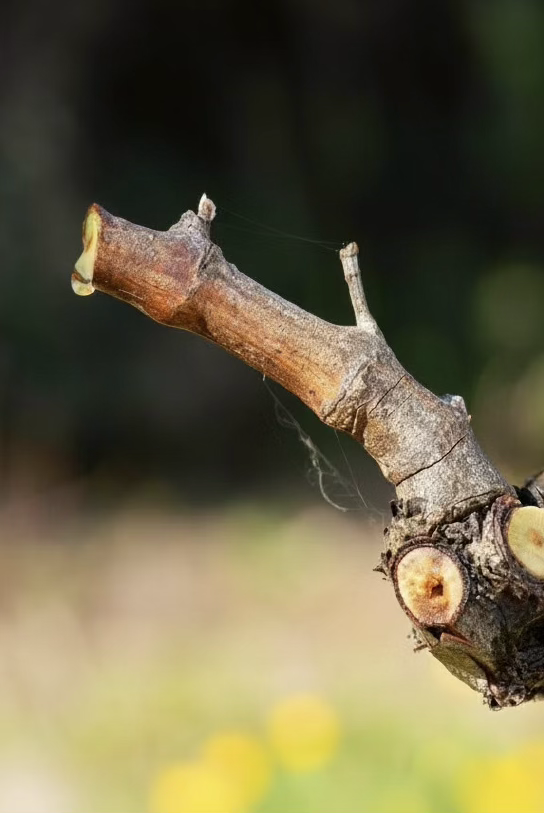
    My first instinct was that something had gone wrong. It looked like the vine was bleeding. But it’s actually the opposite. When soil temperatures creep above 10°C in February, the roots begin drawing water and minerals upward through the old wood. Those drops at the pruning cuts mean the vascular system is clear, the roots survived winter, and the vine is healthy.

    El Llorado Crystal-clear sap weeping from a pruning cut on a dormant vine in early spring, known in Spanish as El Llorado, in a Rioja Alavesa vineyard.

    It’s reassuring once you know what you’re looking at. Your vineyard is waking up. It’s just doing it in the quietest, most unhurried way possible. Which, I’m learning, is how most good things happen here.

    The Vaso: Why Your Vines Don’t Need Wires

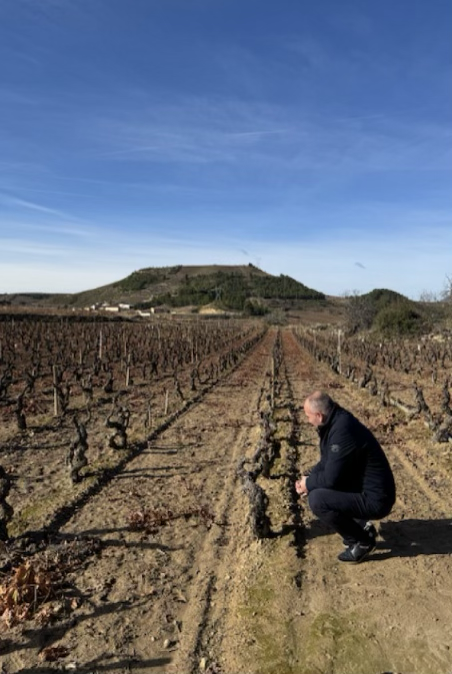
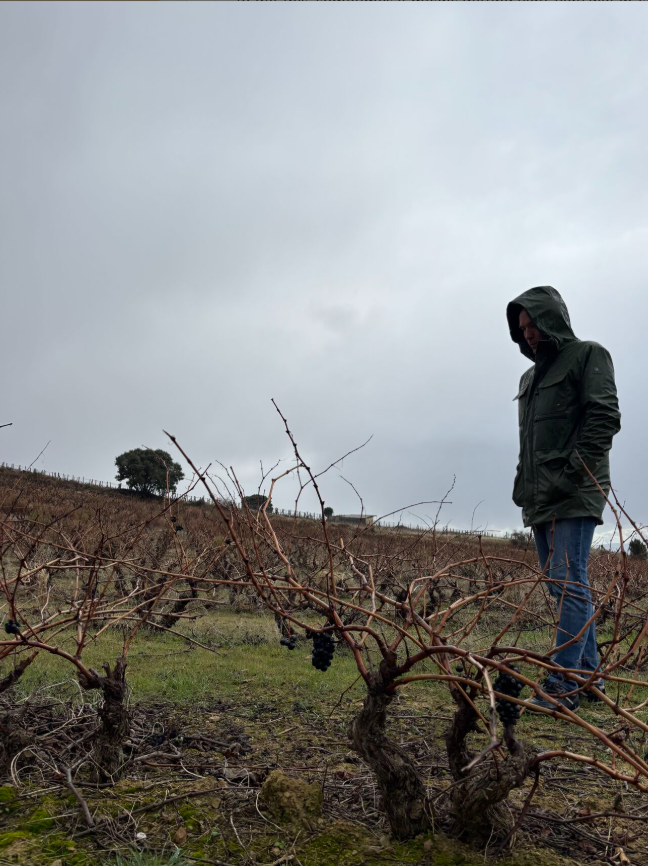
    Brian in the vineyard Brian Thompson, founder of Clos Cien, crouching to inspect dormant Vaso bush vines in Rioja Alavesa, with a hilltop village visible in the background.

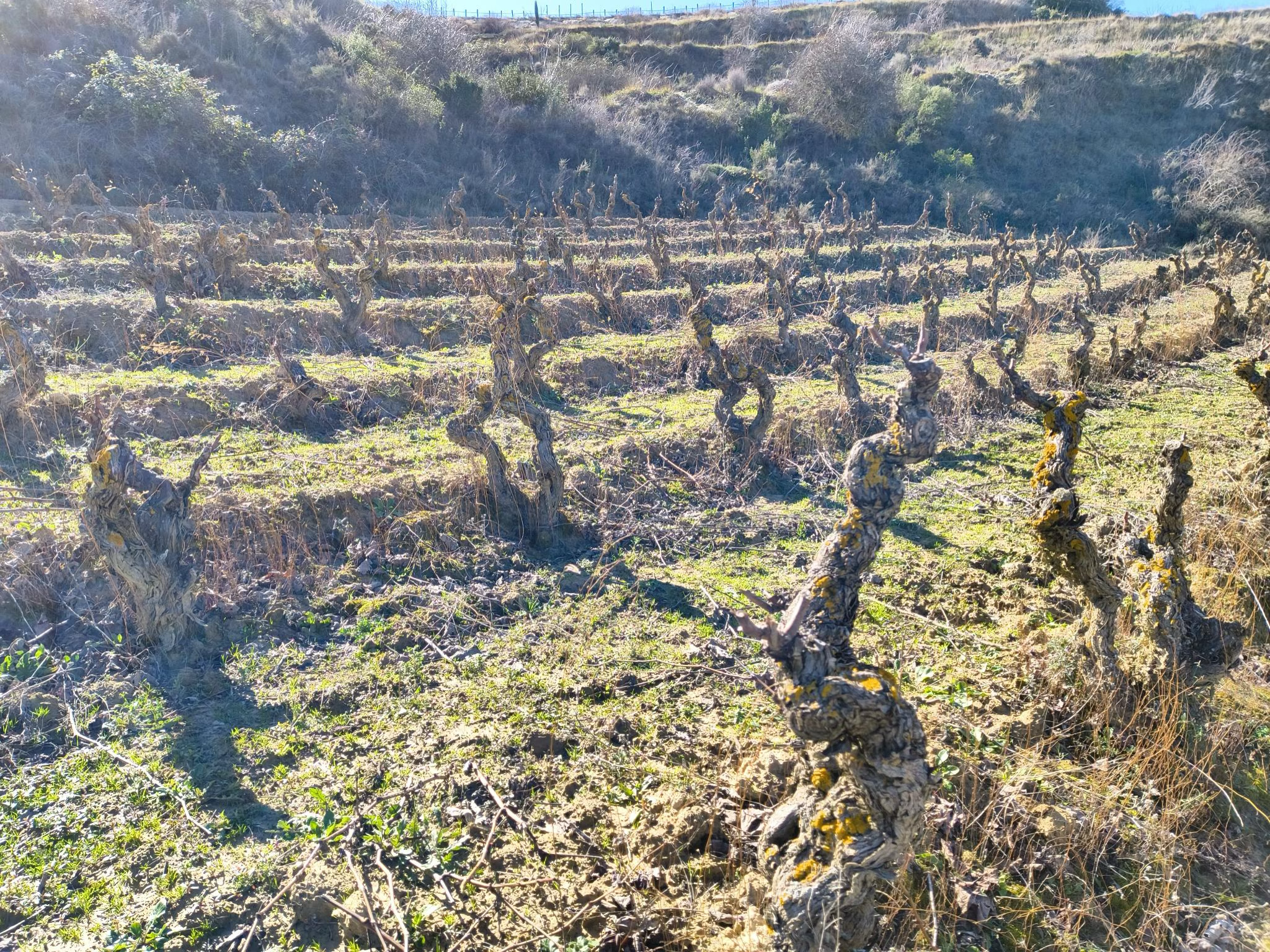
    This month I finally understood something that had puzzled me since I joined. My vineyard plot doesn’t look like the vineyards I’d seen in Bordeaux or Burgundy, with their neat rows of wire-trained vines. It looks older. More sculptural. Each vine is a freestanding goblet shape, three or four arms reaching up from a central trunk, holding themselves up without any support.

    This is the Vaso style, the ancient Riojan method. And it turns out it’s not old-fashioned. It’s clever. The open goblet shape creates a natural chimney, air circulates through the middle, keeping the grapes dry. The roots, without irrigation, have to go searching deep into the bedrock for water, sometimes 10 to 15 metres down, and they pull up minerals on the way. Fewer grapes grow on a Vaso vine than a trellised one, but every grape that does grow gets more of the vine’s energy.

    Less quantity, more intensity. I keep thinking about how that principle applies to other things too.

    In the Cellar: The First Racking

    While the vineyard was doing its quiet waking-up thing outside, I spent time in the cellar watching what happens to the 2025 harvest now. Last month I learned about topping up barrels. This month: racking, or trasiego, in Spanish.

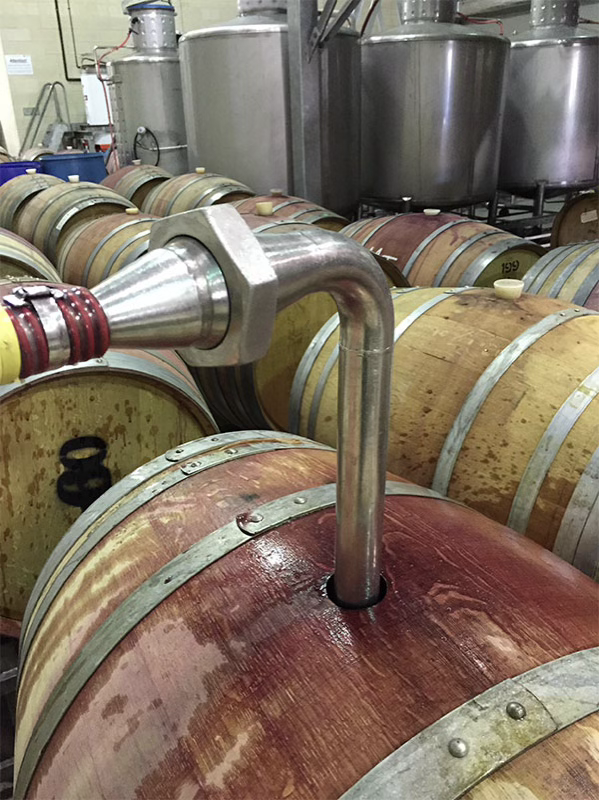
    Racking in the cellar Wine being racked between oak barrels through a steel transfer pipe in the cellar at Clos Cien, Rioja, Spain.

    After fermentation, wine is naturally cloudy. Spent yeast cells and grape fragments settle to the bottom of the barrel over winter. Racking moves the clear wine carefully from one barrel into a clean one, leaving the sediment behind. But it does something else too. As the wine moves through the air, it picks up a breath of oxygen, which helps fix the deep ruby colour and begins the long, slow softening of the tannins. Rough and grippy now. Smooth and silky, eventually.

    The February cold helps here too. The chill causes tartrate crystals to drop out in the winery rather than later in your bottle. That’s one of the things I’m realising about winemaking: so much of it is about getting problems to happen at the right time, in the right place, under control.

    What a Vaso Wine Actually Tastes Like

    This month’s tasting was the Ruiz de Viñaspre Reserva 2018, a wine made from old Vaso plots with roots reaching through clay and into limestone bedrock. The blend is 90% Tempranillo and 10% Graciano, which I now know isn’t just a number. Graciano is what gives the wine its bright acidity, the thing that makes your mouth water and allows the wine to age gracefully for a decade or more.

    At the rim: a slight brick tint. That’s what the team called noble age, tannins softening and changing colour over time. On the nose: dried cherries, tobacco leaf, leather, vanilla. On the palate: dense but rounded. Velvet, actually.

    I opened a bottle with friends last weekend and tried to explain all of this before they drank it. I’m not sure I succeeded, but they were very patient with me and very enthusiastic about the wine.

    What February Really Is

    I came into this thinking February would be the quiet month, the gap between pruning and anything exciting. But it’s not a gap at all. The vine is weeping its first sap upward. The 2025 wine is receiving its first breath of oxygen. The shape of your future bottles is quietly forming in dark barrels.

    Everything that happens in these cold, unhurried weeks ends up in the glass a few years from now. I keep coming back to that idea. What’s happening right now, in the mud and the cold and the cellar dark, is your wine starting.

    Next month: budburst. The first real explosion of green. I’m told it’s the most exciting, and most nerve-wracking, moment in the vineyard year. I can’t wait.

    Want to follow along as my first year at CLOS CIEN unfolds?

    Subscribe to the Member Series via our newsletter and I’ll take you through every month of the vineyard calendar.

  • What Vineyard Ownership Actually Looks Like

    What Vineyard Ownership Actually Looks Like

    This is the part of vineyard ownership in Rioja I love most. Early mornings, boots caked in mud, walking the rows before the sun has had a chance to warm the stones of northern Spain. Most days, it is just the vines, the Cantabrian Mountains of Rioja, and me. No emails, no calls, just time to think about what is happening with the land and with the people who have put their trust in it by becoming vineyard owners here.

    What Does Vineyard Ownership in Rioja Really Mean?

    A lot of people come to Rioja with a dream. They have tasted a bottle that made them pause, maybe while travelling through Spain or sharing wine at a friend’s table, and the idea starts to grow: what if I could own a vineyard in Rioja myself? What if I could take part in making wine in Spain, even just a small parcel? It is a powerful idea. But the reality of vineyard ownership in Spain, as I have learned over thirty years, is both simpler and richer than most expect.

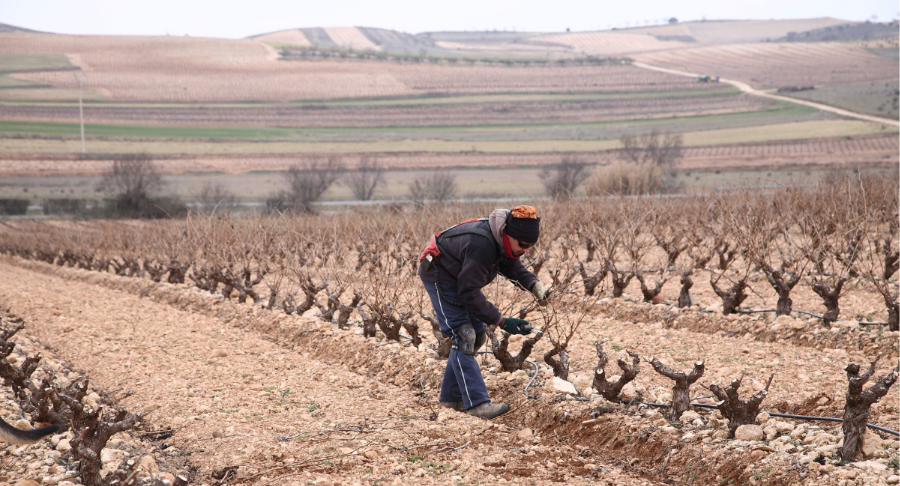
    Vineyard ownership is not about grand gestures or glossy magazine spreads. It is about muddy boots, cold hands and understanding the land parcel by parcel. In February, the vines look bare, almost lifeless. But beneath your feet, the Rioja soil is very much alive. If you want to understand how owning a vineyard in Rioja really works, this is where it begins. You learn where frost lingers, which rows dry first, how the light shifts from one plot to the next. These are not things you see from a tasting room. They are things you learn by being part of the vineyard.

    How Owning a Vineyard in Spain Works from Season to Bottle

    The magic of becoming a vineyard owner happens in the quiet work most people never see. Winter is pruning season. It is when we decide which plots will be assigned to which members, where replanting is needed, and how each parcel will shape the Rioja wines we will bottle together. This is the starting point of your wine. The decisions made here, often with numb fingers and a thermos of coffee, are what you taste in your glass two years later. Vineyard ownership is not instant. It follows the rhythm of the vine.

    Of course, vineyard investment in Rioja comes with challenges. Nature does not work to a business calendar. One year brings perfectly timed rain. Another brings heatwaves that demand early mornings and constant monitoring. There are always practical realities: broken posts, stubborn weeds, machinery that refuses to cooperate. Anyone thinking about owning a vineyard in Spain should understand this part. Progress in viticulture is measured over seasons, not days. But at harvest, when you taste the fruit and see the vintage take shape, the work and the waiting make sense.

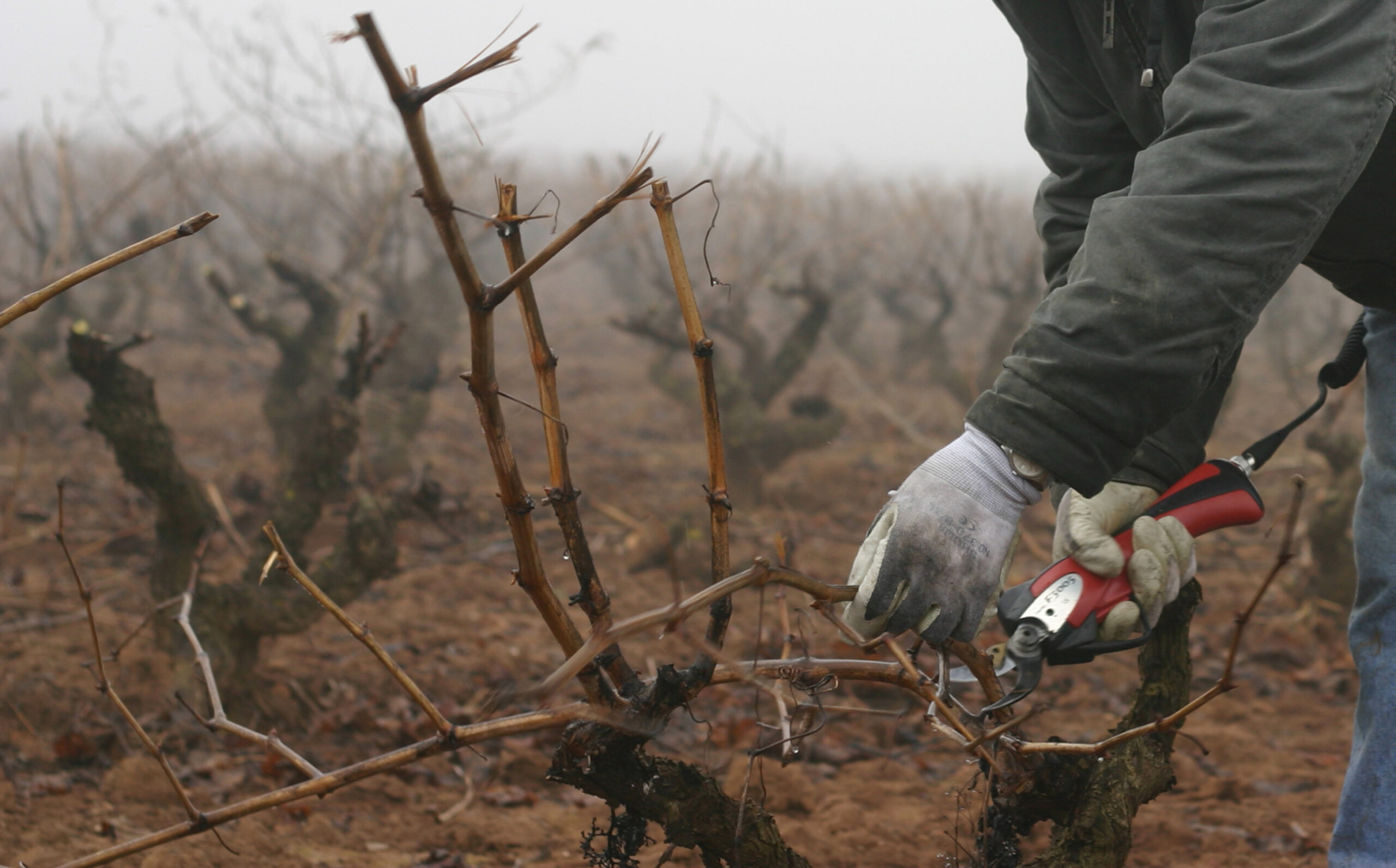
    Winemaker inspecting old bush vines in a Rioja vineyard during winter pruning season, part of the CLOS CIEN vineyard ownership experience in Spain.

    What surprises many new vineyard owners in Rioja is how quickly the land becomes personal. They begin speaking about “their” vines and “their” parcel. They visit in spring to see the first shoots, in summer to walk the rows, in autumn to help harvest the grapes that will become their wine. Vineyard ownership here is not just a financial decision. It is participation in a place, in Rioja’s winemaking tradition, and in a community committed to quality and provenance.

  • My First Month: Winter Foundations at CLOS CIEN

    My First Month: Winter Foundations at CLOS CIEN

    My First Month as a CLOS CIEN Member

    As a new CLOS CIEN member, I – Elena Ruiz -never realized how much happens in the vineyard before a single grape appears. This January, I got to witness the quiet power of winter dormancy, an experience that changed my understanding of wine from the roots up completely. Not to say that I had any experience with taking care of my own vines before, bear with me.  

    What I Learned About Winter Dormancy 

    I always thought winter was downtime for vineyards. But as part of the CLOS CIEN community, I saw how this is when the real groundwork is laid. Every vine is storing energy, prepping for the season ahead. It’s like watching the vineyard take a deep breath before the rush of spring. 

    Pruning:
    The Vineyard’s Most Important Decision 

    This month, I shadowed the team during pruning, the single most important task in the vineyard. I learned that every cut is a decision about quality, not just quantity.  

    • Yield Control: CLOS CIEN’s careful pruning means fewer grapes, but each one is packed with flavour.  
    • Vine Health: Clean cuts keep the vines healthy for decades. Some vines are over 80 years old!  
    • Structure: The team shapes each vine for the best sun and airflow, using traditional bush vine methods. 

    Understanding the Vine:
    What We’re Looking For 

    Before pruning, I learned how the team identifies the perfect wood to keep. The smooth, reddish-brown one-year-old canes are where this year’s grapes will grow. Each little bump on these canes is a “compound bud” nature’s backup plan. The primary bud is Plan A for grapes, but if it’s lost to frost, there’s a secondary and even a tertiary bud (though those produce less fruit). Skilled pruners make precise, angled cuts above the best buds, focusing the vine’s energy into the most promising fruit. Hopefully I can find the courage to cut my own vines someday, for now I am comfortable just watching the pro’s prune. 

    In the Cellar: Caring for Last Year’s Wine 

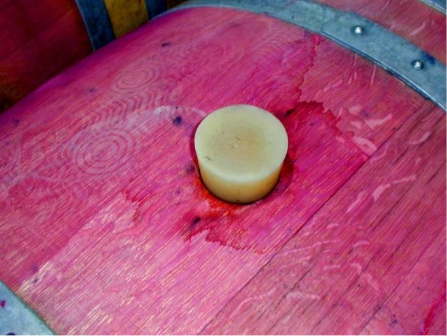
    While the vineyard rests, the cellar team is hard at work. I discovered the ritual of “topping up” (relleno) oak barrels to replace wine lost to evaporation the “angels’ share.” This keeps the wine fresh and safe from oxidation. I also learned about malolactic fermentation: a natural process that transforms sharp acids into softer, creamier notes, making the wine smoother and more stable for aging. 

    Laguardia a Town Built on Wine 

    This month, I visited Laguardia, a medieval town in Rioja Alavesa where CLOS CIEN’s roots run deep. Beneath its streets lies a network of hand-dug cellars, called calados, carved out over centuries. These underground caves maintain a perfect, electricity-free environment for aging wine at 13–15°C year-round. Standing in those calados, I felt the weight of tradition and realized that every CLOS CIEN bottle is part of a story much bigger than any single vintage. 

    Why This Matters to Me
    (and you, as a member) 

    Being involved in these decisions gave me a new appreciation for what goes into every bottle. As a member, I’m not just buying wine I’m completely part of the process, learning alongside the best experts and sharing in the results. 

    The CLOS CIEN Difference 

    There’s something special about knowing your wine comes from a place where tradition meets innovation. CLOS CIEN’s team respects the land’s legacy, but they’re always looking for ways to make each vintage better. 

    Looking Ahead 

    Winter is about potential. As a CLOS CIEN member, I can’t wait to see how these early decisions pay off and to share that journey with friends and my fellow members. 

    Want to be the first to read my latest Member Series updates?