
Member Series: My Second Month:
The Vine That Weeps (and what it taught me)
February at CLOS CIEN. The vineyard is still bare. But something is waking up beneath the surface.
By Elena Ruiz, CLOS CIEN Member
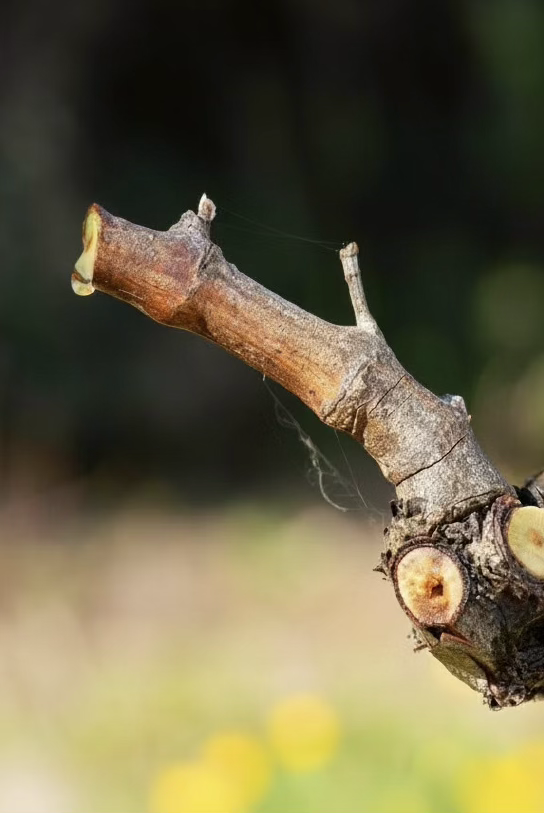
Last month I watched people pruning vines in the cold and tried to understand why it mattered. This month, the vines answered the question themselves. I’d been warned that February in Rioja looks quiet. And from a distance, it does. The rows of Vaso bush vines still look like gnarled little sculptures against the soil. But get close to the pruning cuts and you see something I had no name for until Brian described it. Crystal-clear drops, slowly falling from the tips of the cuts. One by one.
In Spanish, this is called El Llorado. The weeping.
El Llorado: The Moment I Understood the Vine Was Alive
My first instinct was that something had gone wrong. It looked like the vine was bleeding. But it’s actually the opposite. When soil temperatures creep above 10°C in February, the roots begin drawing water and minerals upward through the old wood. Those drops at the pruning cuts mean the vascular system is clear, the roots survived winter, and the vine is healthy.
It’s reassuring once you know what you’re looking at. Your vineyard is waking up. It’s just doing it in the quietest, most unhurried way possible. Which, I’m learning, is how most good things happen here.
The Vaso: Why Your Vines Don’t Need Wires
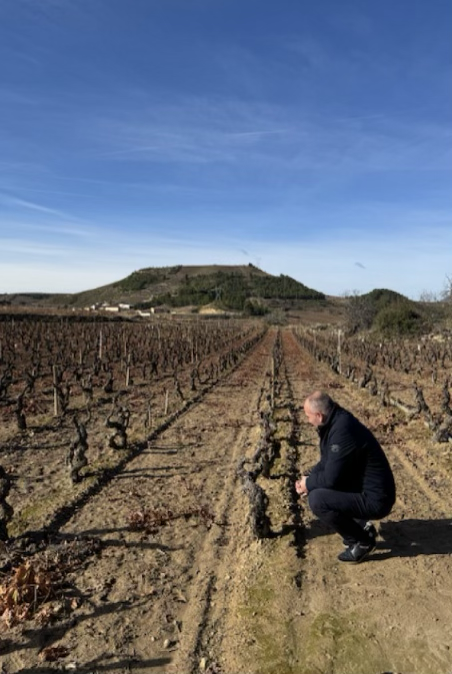
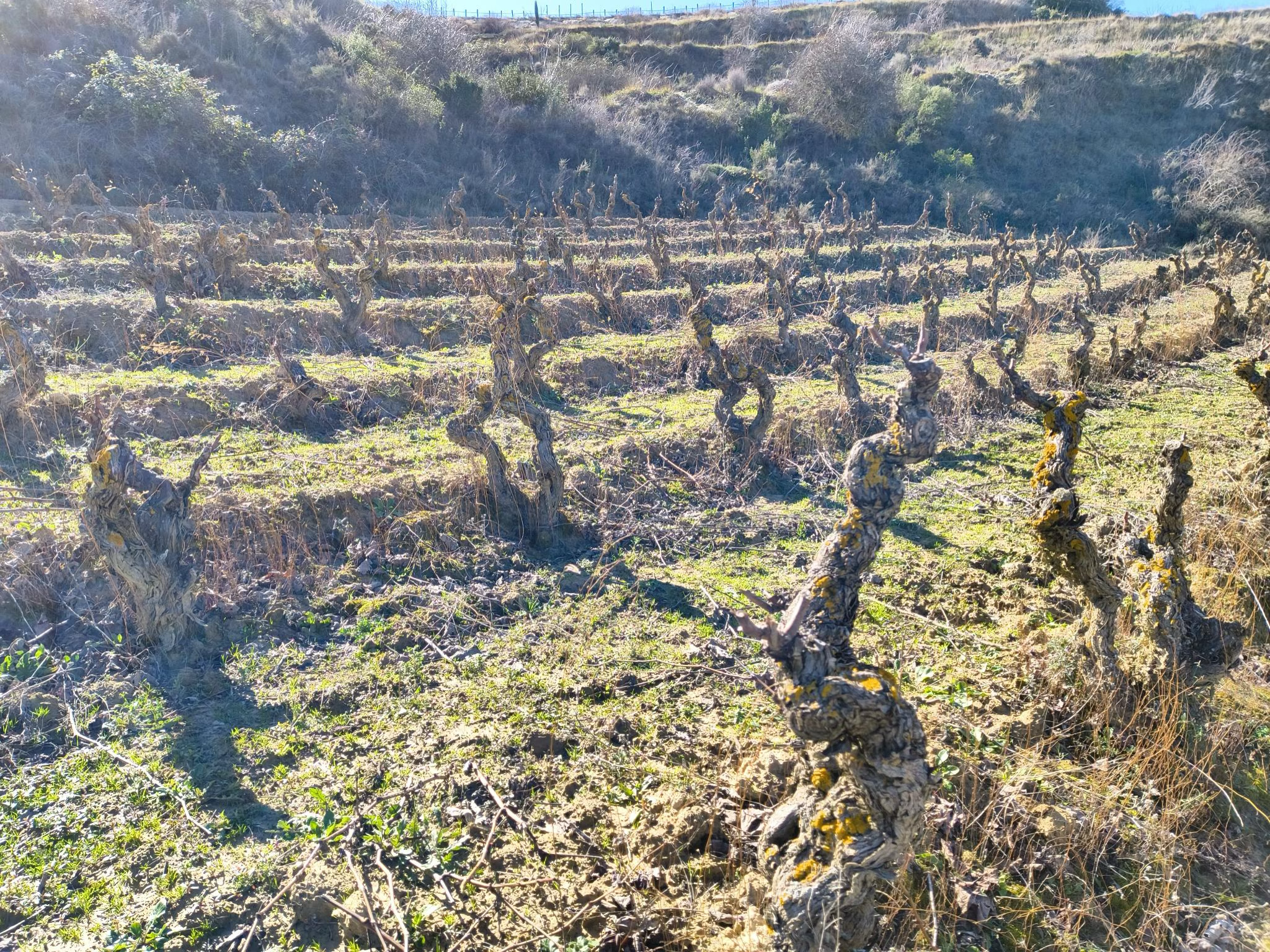
This month I finally understood something that had puzzled me since I joined. My vineyard plot doesn’t look like the vineyards I’d seen in Bordeaux or Burgundy, with their neat rows of wire-trained vines. It looks older. More sculptural. Each vine is a freestanding goblet shape, three or four arms reaching up from a central trunk, holding themselves up without any support.
This is the Vaso style, the ancient Riojan method. And it turns out it’s not old-fashioned. It’s clever. The open goblet shape creates a natural chimney, air circulates through the middle, keeping the grapes dry. The roots, without irrigation, have to go searching deep into the bedrock for water, sometimes 10 to 15 metres down, and they pull up minerals on the way. Fewer grapes grow on a Vaso vine than a trellised one, but every grape that does grow gets more of the vine’s energy.
Less quantity, more intensity. I keep thinking about how that principle applies to other things too.
In the Cellar: The First Racking
While the vineyard was doing its quiet waking-up thing outside, I spent time in the cellar watching what happens to the 2025 harvest now. Last month I learned about topping up barrels. This month: racking, or trasiego, in Spanish.
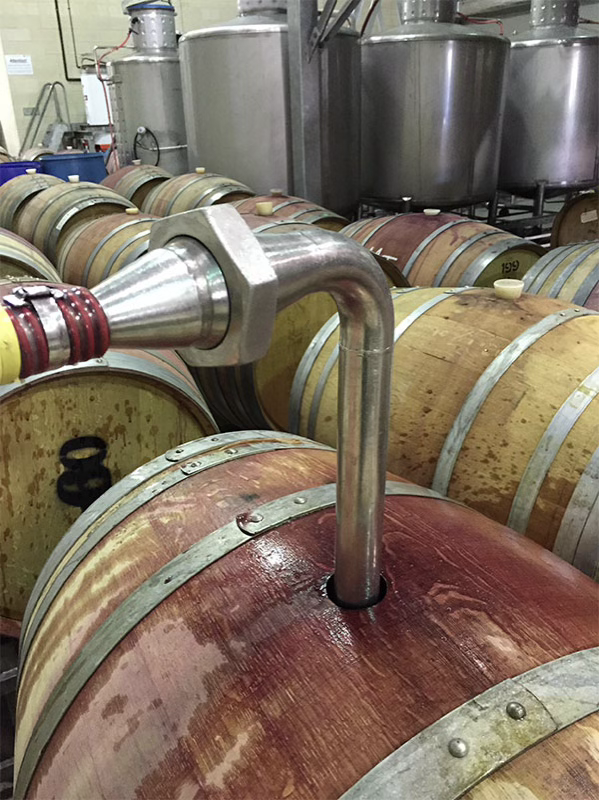
After fermentation, wine is naturally cloudy. Spent yeast cells and grape fragments settle to the bottom of the barrel over winter. Racking moves the clear wine carefully from one barrel into a clean one, leaving the sediment behind. But it does something else too. As the wine moves through the air, it picks up a breath of oxygen, which helps fix the deep ruby colour and begins the long, slow softening of the tannins. Rough and grippy now. Smooth and silky, eventually.
The February cold helps here too. The chill causes tartrate crystals to drop out in the winery rather than later in your bottle. That’s one of the things I’m realising about winemaking: so much of it is about getting problems to happen at the right time, in the right place, under control.
What a Vaso Wine Actually Tastes Like
This month’s tasting was the Ruiz de Viñaspre Reserva 2018, a wine made from old Vaso plots with roots reaching through clay and into limestone bedrock. The blend is 90% Tempranillo and 10% Graciano, which I now know isn’t just a number. Graciano is what gives the wine its bright acidity, the thing that makes your mouth water and allows the wine to age gracefully for a decade or more.
At the rim: a slight brick tint. That’s what the team called noble age, tannins softening and changing colour over time. On the nose: dried cherries, tobacco leaf, leather, vanilla. On the palate: dense but rounded. Velvet, actually.
I opened a bottle with friends last weekend and tried to explain all of this before they drank it. I’m not sure I succeeded, but they were very patient with me and very enthusiastic about the wine.
What February Really Is
I came into this thinking February would be the quiet month, the gap between pruning and anything exciting. But it’s not a gap at all. The vine is weeping its first sap upward. The 2025 wine is receiving its first breath of oxygen. The shape of your future bottles is quietly forming in dark barrels.
Everything that happens in these cold, unhurried weeks ends up in the glass a few years from now. I keep coming back to that idea. What’s happening right now, in the mud and the cold and the cellar dark, is your wine starting.
Next month: budburst. The first real explosion of green. I’m told it’s the most exciting, and most nerve-wracking, moment in the vineyard year. I can’t wait.
Want to follow along as my first year at CLOS CIEN unfolds?
Subscribe to the Member Series via our newsletter and I’ll take you through every month of the vineyard calendar.