
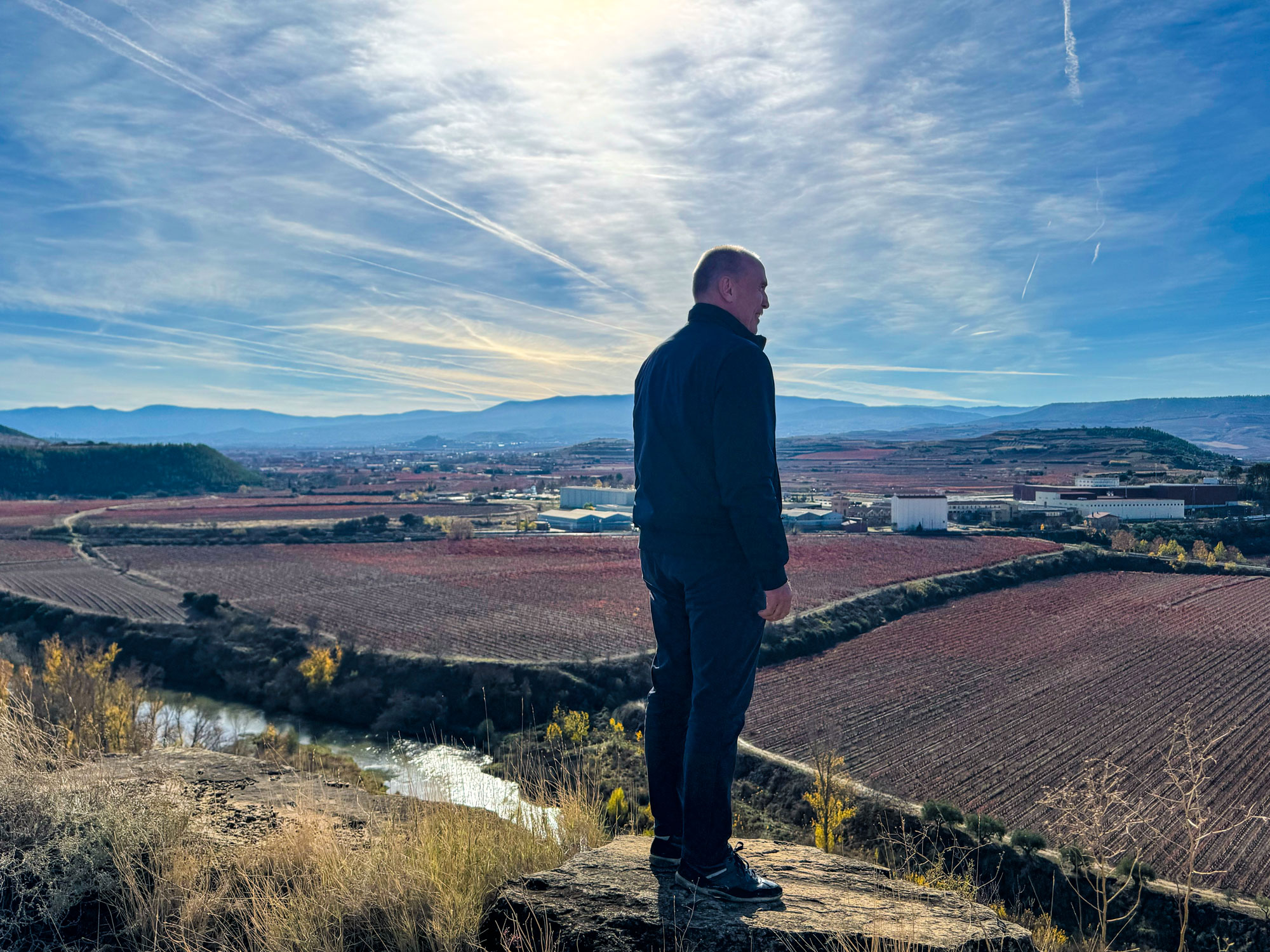
This is the part of vineyard ownership in Rioja I love most. Early mornings, boots caked in mud, walking the rows before the sun has had a chance to warm the stones of northern Spain. Most days, it is just the vines, the Cantabrian Mountains of Rioja, and me. No emails, no calls, just time to think about what is happening with the land and with the people who have put their trust in it by becoming vineyard owners here.
What Does Vineyard Ownership in Rioja Really Mean?
A lot of people come to Rioja with a dream. They have tasted a bottle that made them pause, maybe while travelling through Spain or sharing wine at a friend’s table, and the idea starts to grow: what if I could own a vineyard in Rioja myself? What if I could take part in making wine in Spain, even just a small parcel? It is a powerful idea. But the reality of vineyard ownership in Spain, as I have learned over thirty years, is both simpler and richer than most expect.
Vineyard ownership is not about grand gestures or glossy magazine spreads. It is about muddy boots, cold hands and understanding the land parcel by parcel. In February, the vines look bare, almost lifeless. But beneath your feet, the Rioja soil is very much alive. If you want to understand how owning a vineyard in Rioja really works, this is where it begins. You learn where frost lingers, which rows dry first, how the light shifts from one plot to the next. These are not things you see from a tasting room. They are things you learn by being part of the vineyard.
How Owning a Vineyard in Spain Works from Season to Bottle
The magic of becoming a vineyard owner happens in the quiet work most people never see. Winter is pruning season. It is when we decide which plots will be assigned to which members, where replanting is needed, and how each parcel will shape the Rioja wines we will bottle together. This is the starting point of your wine. The decisions made here, often with numb fingers and a thermos of coffee, are what you taste in your glass two years later. Vineyard ownership is not instant. It follows the rhythm of the vine.
Of course, vineyard investment in Rioja comes with challenges. Nature does not work to a business calendar. One year brings perfectly timed rain. Another brings heatwaves that demand early mornings and constant monitoring. There are always practical realities: broken posts, stubborn weeds, machinery that refuses to cooperate. Anyone thinking about owning a vineyard in Spain should understand this part. Progress in viticulture is measured over seasons, not days. But at harvest, when you taste the fruit and see the vintage take shape, the work and the waiting make sense.
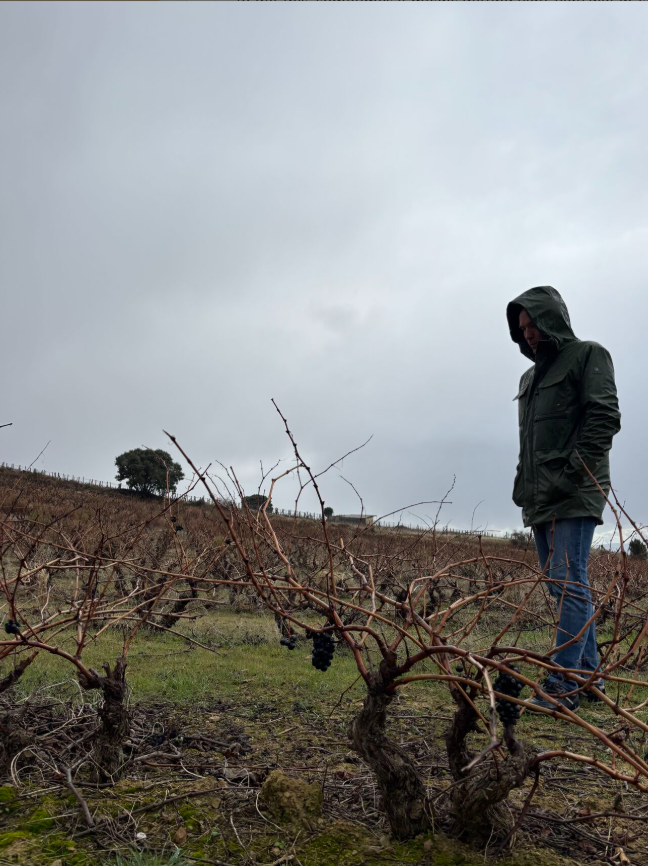
What surprises many new vineyard owners in Rioja is how quickly the land becomes personal. They begin speaking about “their” vines and “their” parcel. They visit in spring to see the first shoots, in summer to walk the rows, in autumn to help harvest the grapes that will become their wine. Vineyard ownership here is not just a financial decision. It is participation in a place, in Rioja’s winemaking tradition, and in a community committed to quality and provenance.
If you are considering vineyard ownership in Rioja, know this: it is rarely glamorous and never passive. It is muddy boots, cold mornings, and long-term commitment. But it is also real. It is seeing your name on a bottle of Rioja that began as a parcel of vines and became something you can share. For many of our members, owning a vineyard in Spain transforms a dream into something tangible and lasting.
If you’re seriously considering vineyard ownership in Rioja, and want to understand exactly how it works, from parcel allocation to harvest participation, we’d love to walk you through it. We’ve outlined the full onboarding journey, step by step, on our CLOS CIEN Process page. It’s where the dream becomes a plan, and where many of our members first realized this wasn’t just an idea it was something they could actually do.