
Gifts for Wine Lovers
Who Have Everything

By Brian Thompson, founder of CLOS CIEN, with over thirty years in the region.
Buying a present for a wine lover is harder than it looks, because the people who love wine most tend to own the corkscrew, the glasses and a firm opinion about both. A bottle carries its own risk, since their palate is the one thing you can’t see from the outside. This guide sticks to gifts that earn their place: a few tools serious drinkers rarely buy for themselves, some things to learn from, and a couple of experiences that bring them closer to where wine is made.
This guide is published by CLOS CIEN. Our own membership is number 10, and everything else is chosen on its merits.
For opening and keeping wine
1. Coravin Timeless Three+
A Coravin lets someone pour a single glass from a bottle without pulling the cork. A thin needle passes through the cork, argon gas replaces the wine as it pours, and the cork closes up again when the needle comes out, so the rest of the bottle carries on as if it had never been opened. It suits anyone who holds back from opening something good on a weeknight.
- Good for: people with a cellar, or who drink a glass at a time during the week.
- Worth knowing: it runs on argon capsules, which need replacing.
2. The Durand
Old corks crumble, and a standard corkscrew pushes the pieces into the wine. The Durand pairs a corkscrew with a two-pronged blade that grips the cork from the outside, so the two hold it together as it comes out. For anyone who opens older bottles, it’s the tool that saves the evening.
- Good for: collectors of aged wine.
- Worth knowing: it’s more than young wines need; a simple waiter’s friend handles those.
For the table
3. Gabriel-Glas StandArt (set of two)
Most people don’t need a different glass for every grape. The Gabriel-Glas is a single universal shape from Austria, made in lead-free crystal, with a bowl that works for a young Rioja, a white Burgundy or Champagne. It’s fine enough to feel special and sturdy enough for everyday use.
- Good for: anyone with a cupboard of mismatched glasses.
- Worth knowing: the StandArt is machine-made; the Gold edition is mouth-blown and lighter.
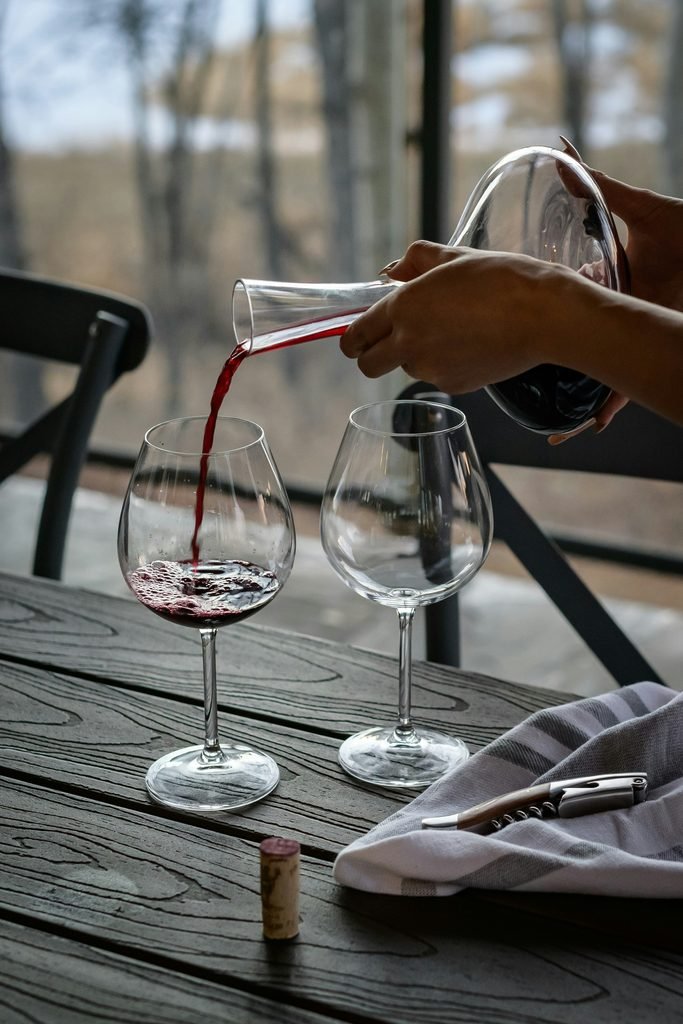
4. A decanter that matches how they drink
A decanter does two jobs: giving a young red air, and leaving the sediment of an older one behind. For young wine, choose a wide base that spreads the wine out. For older bottles, a narrower shape with a good pouring lip makes it easier to stop before the sediment, so buy for the wine they actually open rather than the shape that looks best on the shelf.
- Good for: red wine drinkers who host.
- Worth knowing: wide decanters are awkward to clean, so cleaning beads make a useful extra.
For learning
5. The World Atlas of Wine
Hugh Johnson and Jancis Robinson’s atlas is the reference most wine professionals keep within reach. Its maps show how slope, soil and rivers decide where the best vineyards sit, which makes it as useful at the table as on a bookshelf.
- Good for: people who like to know where a bottle comes from.
- Worth knowing: buy the latest edition, as older ones miss newer regions.
6. Le Nez du Vin aroma kit
Jean Lenoir’s kit holds small vials of the aromas found in wine, from blackcurrant to vanilla to cut grass. Smelling them on their own, then finding them in a glass, is one of the quickest ways to build a vocabulary for tasting.
- Good for: anyone who wants to put words to what they taste.
- Worth knowing: smaller kits focused on red wine aromas cost less than the full set.
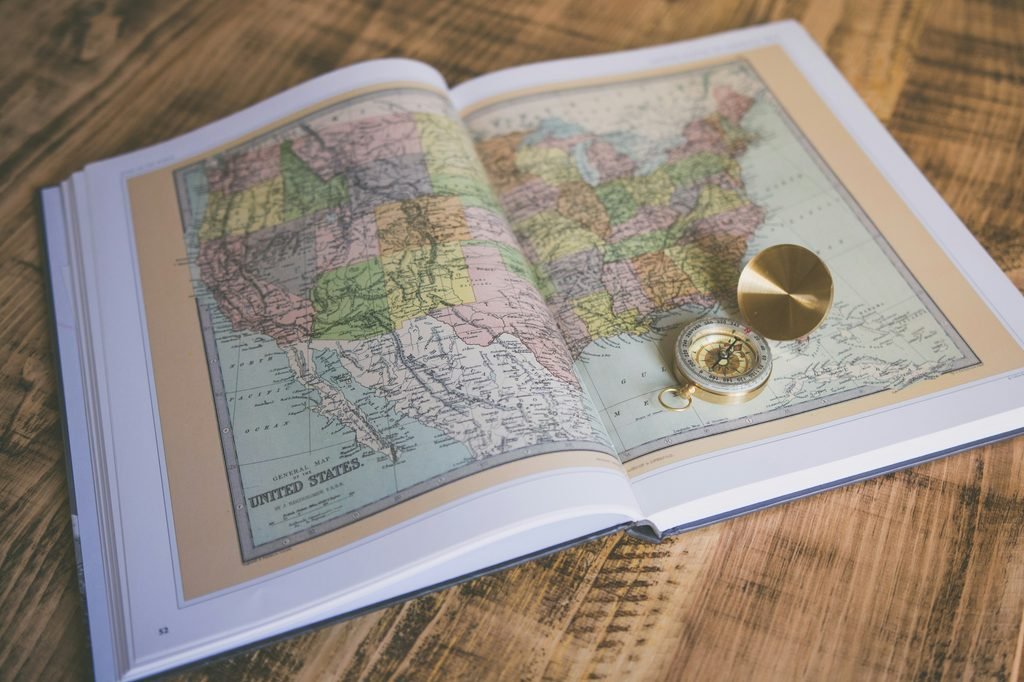
7. A wine map of Spain and Portugal
A framed map of the Iberian Peninsula’s wine regions suits a cellar or kitchen wall, and it’s a quiet way to learn how Rioja runs along the Ebro beneath the Sierra de Cantabria.
- Good for: people who travel for wine.
- Worth knowing: check the print size against the wall before ordering.
Rioja wine gifts
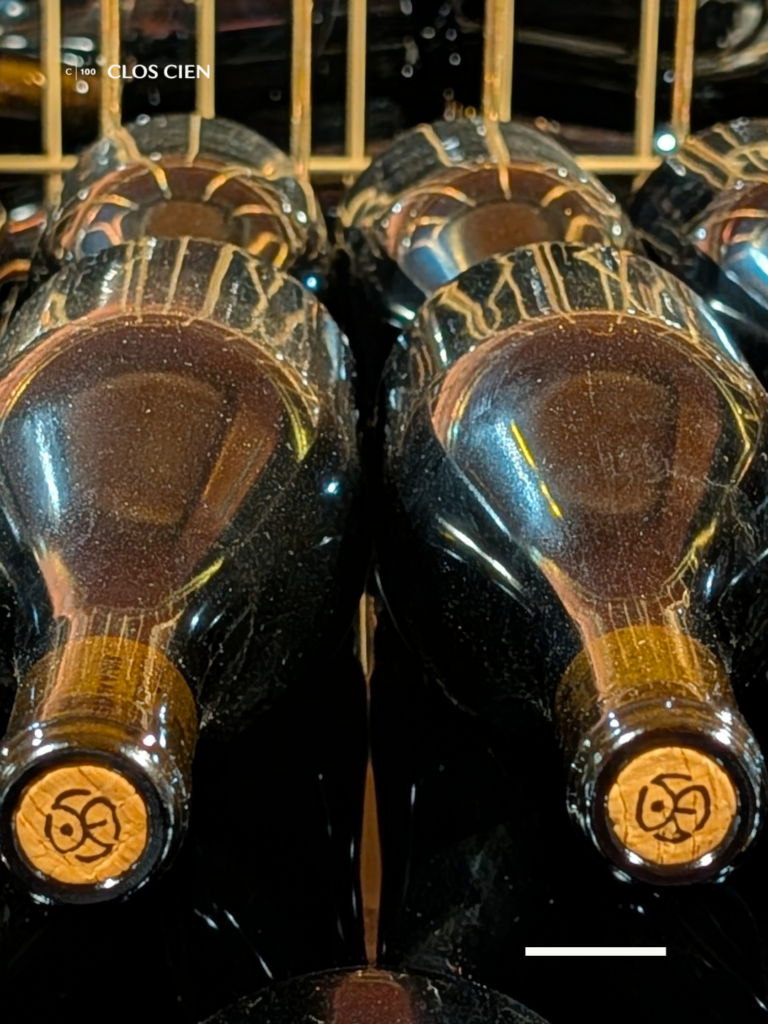
8. A Rioja case with a story to it
If a bottle is still the plan, buying Rioja by its ageing category takes the guesswork out. Crianza reds age for at least two years, one of them in barrel; Reserva for at least three; and Gran Reserva for at least five, with two in barrel. A Crianza, Reserva and Gran Reserva from the same producer makes a gift with something to taste and talk about, and Rioja’s newer village and single vineyard labels offer another way to build a case around one place.
- Good for: someone who already enjoys Spanish reds.
- Worth knowing: a specialist merchant will advise far better than a supermarket shelf.
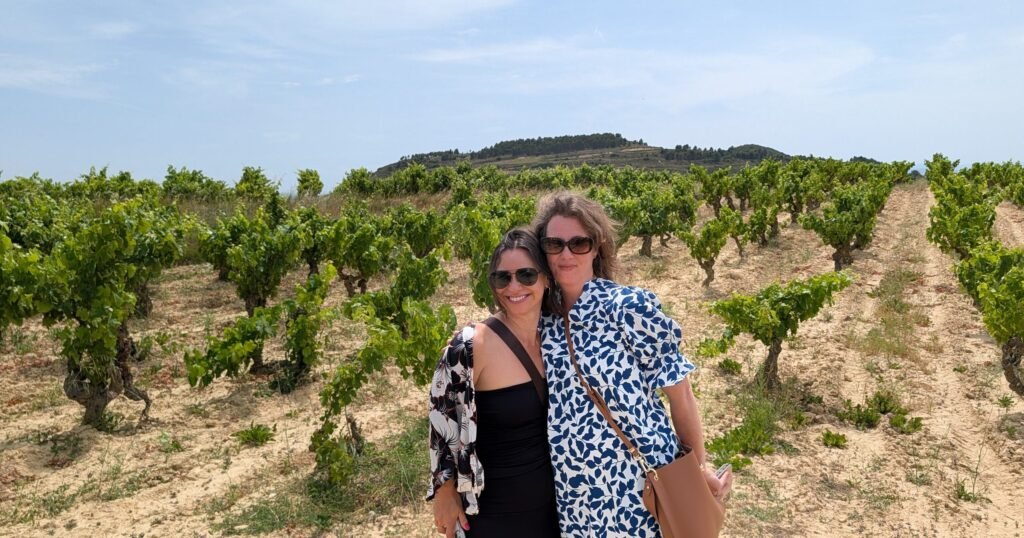
9. A day among the vines in Rioja Alavesa
For someone who has drunk plenty of Rioja but never seen where it grows, a winery visit in Rioja Alavesa changes how the next bottle tastes. The villages sit on terraces under the Sierra de Cantabria, and many wineries sell tasting visits as gift vouchers.
- Good for: a birthday or a weekend away.
- Worth knowing: late September and October are when the harvest is in full swing.

10. A vineyard of their own: CLOS CIEN ORIGIN
For the wine lover who has everything, the step beyond visiting a vineyard is having vines of their own. With CLOS CIEN, the gift starts with a Discovery Kit tasting of six wines with our founder and head winemaker, and the team then sources a plot in La Rioja to suit what the recipient loves. You don’t need to know their taste in advance, because finding it is part of the gift.
An ORIGIN membership covers a 500m² plot and around 132 bottles a year from it. They’re invited to the harvest and vote on the winemaking through the season, while the team looks after the vines. Several members have joined this way, as a gift from someone else.
- Good for: someone who wants to be involved, not just receive deliveries.
- Worth knowing: it rewards a recipient who wants to visit and take part; for a hands-off wine lover, a merchant subscription suits better.
If you’d like to taste the wine before giving it, or you’re reading this with yourself in mind, our tastings in London and Madrid are the place to start.
Adopt a vine, wine club or vineyard plot:
which gift fits
| Wine club | Adopt a vine | CLOS CIEN ORIGIN | |
|---|---|---|---|
| What they own | Nothing; it’s a subscription | A name on a vine, usually for 12 months | A 500m² plot sourced to their taste in La Rioja |
| Wine they receive | Bottles chosen by the club | Typically 1 to 12 bottles | 132 bottles a year from their own plot |
| Their involvement | Ninguno | A visit and sometimes harvest day | Harvest invitation and a input on the winemaking |
| Suits | Someone who likes surprises | A light, sentimental gift | Someone who wants to take part |
Preguntas frecuentes
Choose something they wouldn’t buy for themselves: a Coravin or a Durand for the bottles they already own, an aroma kit or atlas to learn from, or an experience such as a vineyard visit or a plot of their own. These avoid the risk of guessing their palate with a bottle.
Yes. A CLOS CIEN ORIGIN or ESTATE membership can be given to someone else, and several members have joined this way. It starts with a Discovery Kit tasting for the recipient, and their plot is sourced to the taste they discover there. Full details are on the Gift a vineyard page.
Adopting a vine usually means sponsoring a single vine for a year, with a name plaque and a small amount of wine. Owning a plot means the recipient has their own area of vineyard, follows it through the season, and receives the wine made from their own grapes.
Get in touch by early December so the team can prepare everything in time for Christmas Day. The same applies to birthdays and anniversaries: a few weeks’ notice is enough.
A small case across Rioja’s ageing categories, such as a Crianza, Reserva and Gran Reserva from one producer, shows how time in barrel and bottle changes the wine. For someone who already knows Rioja well, a visit to the vineyards or a plot of their own goes further than another bottle.