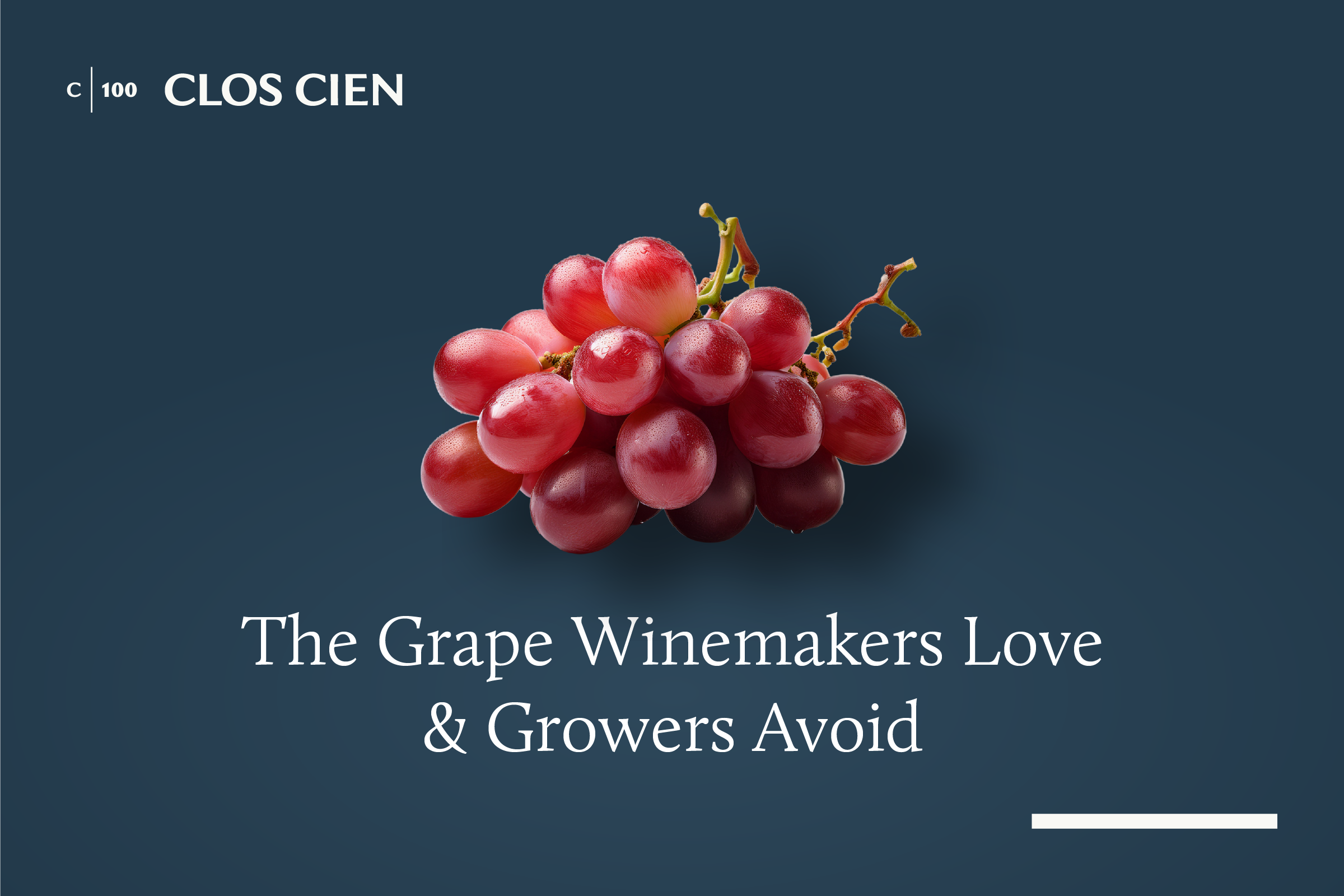
Graciano accounts for around 2% of La Rioja’s red grape plantings. Before phylloxera devastated European vineyards in the late 1800s, there was significantly more Graciano planted in Rioja.
The problem was economics. Graciano is low-yielding, ripens late, and is prone to rot and downy mildew. Growers replaced it with easier options.
But winemakers never stopped wanting it. Graciano produces wines with intense red color with violet hints and high aromatic intensity. It’s ideal for aging wines, thanks to its polyphenol content and notably high acidity compared to other Rioja varieties.
In blends, Graciano provides deep color, structure, and marked acidity. It needs clay-limestone soils and consistent warmth to ripen properly, which is why it’s found more commonly in the warmer Rioja Oriental region.
The grape is fairly resistant to mildew and powdery mildew. Because it ripens late, Graciano needs heat through the growing season to avoid strong vegetal notes.
Single-variety Graciano wines are rare but increasingly available as winemakers recognize what this grape can do. When you find one, you’re tasting something that almost disappeared completely.
Garnacha makes up around 7-8% of La Rioja’s red grape plantings today. Thirty years ago, there was much more of it planted across the region.
In the 1980s and 1990s, many growers replaced their Garnacha vines with Tempranillo, which was easier to sell and more fashionable. But Garnacha has qualities that are becoming more valuable with climate change – it’s drought-resistant and handles heat well.
You’ll find Garnacha vineyards scattered across all three Rioja sub-regions, from around 400 meters elevation up to around 700 meters. The grape tends to produce lower yields than Tempranillo and is prone to poor fruit set after flowering, which historically made it less popular with growers focused on quantity.
In blends, Garnacha adds body, fruitiness, and sweet red fruit flavors. It brings delicate floral aromas and what winemakers call “mid-palate succulence” – that juicy, mouth-filling quality.
The best Garnacha comes from old vines grown with low yields. In Rioja Oriental, where conditions are warmer and drier, the grape shows particularly well. Some producers are now making single-variety Garnacha wines that showcase the grape’s ability to reflect specific terroirs.
Tempranillo accounts for around 75-80% of red grape plantings in La Rioja. Its name comes from “temprano” (early in Spanish), because it ripens about two weeks earlier than most varieties in the region.
In Rioja, Tempranillo thrives across vineyard elevations ranging from around 300 to 800 meters above sea level. The grape produces wines with moderate tannins and acidity, making it versatile for everything from fresh young wines to bottles that can age for decades.
The variety performs well in cooler climates with good temperature variations between day and night. In these conditions, it produces structured wines with red fruit flavors, along with notes of tobacco and leather as they age.
Tempranillo has been the backbone of Rioja’s winemaking for centuries. The grape responds exceptionally well to oak aging – traditionally American oak, which gives vanilla and coconut notes, though many producers now also use French oak for more subtle spice characteristics.
You’ll find Tempranillo as a single-variety wine or blended with Garnacha, Graciano, and Mazuelo. Each combination brings out different aspects of the grape’s personality, from bright and fruity to complex and age-worthy.
Wine investment has evolved dramatically in 2025, splitting into two distinct approaches: traditional digital platforms and modern physical ownership models. While digital platforms like Vinovest and Cult Wine offer accessibility with minimum investments from $1,000-$35,000, they come with annual fees of 1.9-2.75% and limited lifestyle benefits.
Physical vineyard ownership traditionally required $2M+ but innovative stewardship and fractional ownership models now provide authentic ownership experiences from €60,000. This comprehensive analysis examines both approaches, revealing why selective physical ownership delivers superior long-term value for serious investors.
Understanding Wine Investment in 2025
Market Performance Overview
Fine wine has delivered 13.6% annualized returns over the past 15 years, outperforming most global equities while maintaining lower volatility than real estate or gold. According to the world’s largest online wine stock exchange, Liv-ex, fine wine has delivered 13.6% annualized returns over the last 15 years – outperforming most stock markets.
Key 2025 Statistics:
Average Returns: 7-10% annually for fine wine investments, with top-tier labels exceeding 12% returns
Market Resilience: Fine wine is widely considered to be a ‘safe haven asset’
Global Performance: According to Liv-Ex, the two-year return of 25.68% for fine wine has beaten the return from gold and crude oil
Stability Factor: Wine is largely uncorrelated with global stock markets
Investment Horizon: Wine investments are often long-term, typically viewed as mid to long-term (at least 3-5 years)
Why Wine Investment Works
Supply Constraints Create Value
Limited production from prestigious regions
Aging reduces available supply as bottles are consumed
Climate change affecting traditional wine regions
Demand is on the rise in new markets like Asia, Latin America, Africa, and many more that are developing a taste for fine wines
Tangible Asset Benefits
Fine wine is a physical asset, so it represents a very low-risk investment
Cultural and aesthetic value beyond financial returns
Option to consume the investment (unlike stocks)
Storage in professional facilities maintains condition
Digital Wine Investment Platforms Analysis
Platform Comparison Table
Platform
Minimum Investment
Annual Fee
Physical Access
Storage Included
Vinovest
$1,000
1.9-2.85%
Yes shipping fees
Yes
CultWine
$35,000
2.25-2.75%
Yes
Yes
Vint
$25
8-10% sourcing fee
No fractional shares
N/A
WineFi
£5,000
Varies
Limited
Yes
Vinovest: The Accessible Option
How Vinovest Works:
Using a combination of AI-powered algorithms and master sommeliers to create a portfolio of wines selected from multiple regions
Pricing Structure (Verified 2025):
Starter Tier: $2,500 minimum, 2.50% annual fee
Plus Tier: $10,000 minimum, 2.35% annual fee
Premium Tier: $50,000 minimum, 2.15% annual fee
Grand Cru Tier: $250,000 minimum, 1.90% annual fee
Additional Costs:
A 1.5% selling fee is applied after wine is sold, with no charge for listing or unsold wine. Payment processors charge a 2.9% (+ 30c) fee to anyone who pays with a credit card. There’s an additional 1% fee if you make the deposit outside of the United States.
Pros:
Low barrier to entry
Professional wine selection
Full authentication and insurance
Global accessibility
Cons:
High cumulative fees over time
Limited control over wine selection
No physical location or lifestyle benefits
Primarily financial investment focus
Cult Wine Investment: The Premium Option
Investment Tiers (Verified 2025):
Premier Cru tier starts at $35,000 with a 2.75% annual fee. Grand Cru tier starts at $150,000 with a 2.50% annual fee. Cult Cru tier starts at $700,000 with a 2.25% annual fee. Black Tier starts at $1,500,000 with a 2% annual fee.
Key Features:
Direct ownership of physical bottles
Professional portfolio management
Global storage and insurance
Wine education and events
Performance Track Record:
According to Cult Wine’s own marketing materials: “Had you allocated $100,000 to Cult Wines, your money which is to say your wine – would have returned an average of 13% annually. In 2016, its index performance was actually 26%.”
Advantages:
Established reputation (founded 2007)
Strong historical performance
Comprehensive service offering
Access to exclusive wines
Limitations:
High minimum investment requirements
Substantial annual fees
Limited lifestyle integration
Focus purely on wine as commodity
Physical Wine Ownership Models
Traditional Vineyard Ownership
Investment Requirements:
Initial Capital: $500,000 – $2,000,000+
Legal Complexity: Property law navigation required
Management Needs: Full-time oversight or expensive contractors
Compliance: Regulatory requirements and certifications
The Stewardship Model Revolution
How Stewardship Works Rather than traditional ownership challenges, innovative stewardship models provide authentic vineyard ownership without operational burdens. Members enjoy all the privileges of vineyard ownership – exclusivity, decision-making power, transferability, and legacy creation – through a streamlined membership structure that eliminates legal and administrative complexities.
Cost Comparison:
Factor
Traditional Ownership
Stewardship Model
Initial Investment
€2M+
€60,000-€200,000
Legal Complexity
High property law
None membership model
Management Required
Full-time or expensive contractors
Professional team included
Time to First Vintage
3-5 years
2-3 years
Risk Level
High weather, market, management
Moderate shared expertise
Fractional Ownership Models
The Evolution of Wine Investment Access
Fractional ownership represents the newest innovation in wine investment, allowing multiple investors to share ownership of premium vineyard allocations. This model bridges the gap between expensive digital platforms and prohibitively costly traditional ownership.
Expected Appreciation: 8-12% annually based on La Rioja trends
Investment Decision Framework
Who Should Choose Digital Platforms
Ideal Vinovest Investor:
First-time wine investor
Limited capital ($1,000-$50,000)
Purely financial motivation
No interest in physical wine experiences
Preference for hands-off investing
Ideal Cult Wine Investor:
Experienced wine collector
Substantial capital ($35,000+)
Interest in wine education
Desire for diversified wine portfolio
Focus on investment performance
Who Should Consider Physical Ownership
Ideal Physical Ownership Investor:
Passion for winemaking process
Interest in lifestyle experiences
Desire for exclusive community
Long-term investment horizon (10+ years)
Appreciation for cultural and educational value
Risk Tolerance Assessment:
Conservative: Digital platforms with established track records
Moderate: Fractional ownership models with professional management
Aggressive: Direct vineyard ownership with hands-on management
Market Trends and Future Outlook
2025 Market Dynamics
Positive Indicators:
Fine wine investment market in 2025 has shown remarkable resilience amid global economic fluctuations
Growing Asian demand for premium wines
Limited supply from climate-affected regions
Increasing institutional interest
Regional Performance:
Bordeaux: Stable blue-chip performance
Burgundy: Burgundy wines, particularly from top domaines like DRC and Rousseau, have outperformed other regions, with some vintages appreciating over 200% in just 10 years
Champagne: Champagne & Tuscany Wines are emerging stars, with strong gains from Dom Pérignon, Salon, and Super Tuscans like Masseto
Spain (La Rioja): Rioja (Spain) and Barossa Valley (Australia) show modest 3–5% growth but are attracting interest due to undervalued vintages and rising critic scores
Technology Integration:
Blockchain authentication preventing counterfeits
AI-driven portfolio optimization
Fractional ownership platforms expanding access
Digital marketplaces improving liquidity
2026-2030 Projections
Expected Developments:
Increased Regulation: Greater oversight of wine investment platforms
Climate Impact: Shifting production regions due to global warming
Sustainability Focus: Organic and biodynamic wines gaining premium
Technology Advancement: IoT monitoring and smart cellar management
Tax Implications and Legal Considerations
Digital Platform Tax Treatment
United States: In the U.S., wine gains are taxed as collectibles
United Kingdom: In the U.K., fine wine is often exempt from capital gains tax due to its classification as a wasting asset. This exemption also applies in several other regions: Hong Kong, Singapore, Germany, France, and Austria.
Physical Ownership Tax Benefits
Spanish Tax Structure:
Property ownership tax benefits available
Agricultural designation potential advantages
EU residency considerations for tax optimization
Estate Planning Benefits:
Physical assets easier to transfer to heirs
Vineyard property can qualify for agricultural exemptions
Cultural heritage value for family legacy
Due Diligence Checklist
Evaluating Digital Platforms
Essential Questions:
What is the total cost of ownership including all fees?
How do they authenticate wines and prevent fraud?
What is their track record during market downturns?
Can you physically access your wines?
What happens if the platform goes out of business?
Red Flags to Avoid:
Guaranteed returns promises
Lack of transparency in fee structure
No physical wine storage verification
Limited customer service options
Recent negative reviews or regulatory issues
Assessing Physical Ownership Opportunities
Critical Evaluation Factors:
Location Analysis: Climate, soil quality, appellation status
Management Team: Experience and track record
Financial Transparency: Clear cost structure and projections
Legal Structure: Ownership rights and exit strategies
Market Access: Distribution channels and brand recognition
Due Diligence Process:
Site Visit: Physical inspection of facilities
Financial Review: Audit historical performance
Legal Consultation: Contract and ownership structure review
Market Research: Regional wine market analysis
Reference Check: Speak with existing investors/members
Making Your Investment Decision
Investment Allocation Strategies
Conservative Approach (Risk-Averse):
70% Established digital platform (Cult Wine/Vinovest)
20% Blue-chip Bordeaux through secondary market
10% Emerging regions for diversification
Balanced Approach (Moderate Risk):
40% Digital platform for liquidity
40% Physical ownership through fractional models
20% Direct wine purchases for personal consumption
Aggressive Approach (High Risk/Reward):
60% Physical vineyard ownership/fractional models
30% Emerging wine regions
10% Wine futures and en primeur
Portfolio Size Recommendations
Beginner ($1,000-$10,000):
Start with reputable digital platform
Focus on education and market understanding
Gradually increase allocation as knowledge grows
Intermediate ($10,000-$100,000):
Split between digital platform and physical experiences
Consider fractional ownership models for lifestyle benefits
Begin building personal wine collection
Advanced ($100,000+):
Diversify across platforms and physical ownership
Consider multiple regions and vintages
Include direct vineyard investment opportunities
Conclusion: The Future of Wine Investment
The wine investment landscape in 2025 offers unprecedented opportunities for both financial returns and lifestyle enrichment. While digital platforms provide accessible entry points with professional management, they come with ongoing fees that erode long-term returns and offer limited experiential value.
Physical ownership, particularly through innovative stewardship and fractional ownership models, delivers the complete wine investment experience: authentic participation in winemaking, exclusive community access, cultural experiences, and potentially superior financial returns without the operational complexities of traditional vineyard ownership.
Key Takeaways:
Digital platforms excel for beginners and those seeking purely financial exposure
Physical ownership provides superior lifestyle benefits and community experiences
Fractional ownership eliminates traditional ownership challenges while maintaining authenticity
Location matters – undervalued regions like La Rioja offer exceptional opportunities
Total cost analysis reveals physical ownership often delivers better net returns
The Bottom Line:
For investors seeking more than financial returns, physical wine ownership through carefully structured stewardship and fractional ownership models represents the optimal combination of investment performance, lifestyle benefits, and cultural enrichment that digital platforms simply cannot replicate.
Whether you choose the convenience of digital platforms or the authentic experience of physical ownership, wine investment in 2025 offers compelling opportunities for portfolio diversification and long-term wealth building in an asset class that literally improves with age.
Investment in wine carries risk and past performance does not guarantee future results. Consider your financial situation and risk tolerance before investing. Consult with financial and legal advisors appropriate to your circumstances.
Discover why Spain’s premier wine region offers so much more than wine tasting
Most people think La Rioja is just about wine. They’re missing the bigger picture.
After spending years in this remarkable corner of northern Spain, we’ve learned something that might surprise you: the wine is just the beginning. La Rioja sits at the crossroads of Spain’s most exciting regions, offering experiences that stretch far beyond what you’ll find in any bottle.
If you’re wondering what else you can do in La Rioja besides wine tasting, you’re asking the right question. Let us share what makes this region truly special.
What Makes La Rioja Different from Other Wine Regions?
La Rioja isn’t Bordeaux or Napa. It doesn’t need to be.
While other wine regions focus purely on vineyards, La Rioja offers something more complete. You’re one hour from Bilbao, home to the world-renowned Guggenheim Museum. San Sebastian, with the highest concentration of Michelin-starred restaurants globally, sits just 90 minutes away. Medieval villages dot the landscape like something from a storybook, and Roman ruins remind you that people have been making wine here for over 2,000 years.
This isn’t just wine country. It’s a complete cultural experience.
Where Can You Find the Best Food Experiences in La Rioja?
The secret isn’t in La Rioja itself. It’s in what surrounds it.
Michelin-Starred Excellence
La Rioja hosts six Michelin-starred restaurants, including El Portal de Echaurren in tiny Ezcaray, which holds two stars. But here’s what most visitors don’t realize: you’re positioned perfectly to access Spain’s greatest culinary treasures.
San Sebastian: The Gastronomic Capital
18 Michelin stars across 9 restaurants
Highest concentration of Michelin stars per capita in the world
90 minutes from central La Rioja
Famous for pintxos (Basque tapas) culture
Bilbao: The Cultural Hub
Multiple Michelin-starred establishments
Renowned for traditional Basque cuisine
60 minutes from La Rioja wine country
Home to some of Spain’s most innovative chefs
La Rioja’s Own Culinary Scene
The region itself offers exceptional dining:
Venta Moncalvillo (Daroca de Rioja): One Michelin star, population 47
Kiro Sushi (Logroño): Michelin-starred Japanese cuisine, limited to 10 diners per service
Ikaro (Logroño): Michelin star, seasonal menu focused on local products
Comparison: La Rioja vs. Other Wine Regions
Region
Michelin Stars (1-hour radius)
Cultural Diversity
Accessibility
La Rioja
24+ stars
Basque, Spanish, international
3 major cities nearby
Bordeaux
8-12 stars
Primarily French
Limited urban access
Napa Valley
6-8 stars
California cuisine focus
San Francisco 90 min
Tuscany
10-15 stars
Italian regional
Florence accessible
What Historical and Cultural Sites Should You Visit?
La Rioja tells the story of Spain itself, written in stone and tradition.
UNESCO World Heritage Sites
San Millán de la Cogolla stands as La Rioja’s crown jewel. This UNESCO World Heritage site houses two monasteries: Suso (built in the 10th century) and Yuso (11th century). Here’s why it matters: the first words ever written in Spanish appeared in these monastery margins. You’re literally visiting the birthplace of the Spanish language.
Roman Heritage
The Romans knew good wine country when they saw it. Celtiberian settlements dating back 2,000 years dot the region, with Contrebia Leukade near Aguilar de Río Alhama offering some of the best-preserved examples.
Key Historical Sites:
Nájera: Medieval capital of the Kingdom of Nájera-Pamplona
Santo Domingo de la Calzada: Major stop on the Camino de Santiago
Logroño: Regional capital with roots stretching to Roman times
Calahorra: Roman city with significant archaeological remains
Medieval Villages Worth Visiting
La Rioja contains 174 villages, many preserving their medieval character:
Briones: Named Asset of Cultural Interest, stunning hilltop location
Cornago: 14th-century castle, houses built into hillside
Ezcaray: Alpine village near Valdezcaray ski resort
What Adventure and Outdoor Activities Are Available?
Most wine regions offer walking tours. La Rioja offers everything from skiing to championship golf.
Valdezcaray Ski Resort
Yes, you can ski in wine country. Valdezcaray, located on the slopes of San Lorenzo peak (La Rioja’s highest point at 2,271 meters), offers:
Specifications:
26 slopes: 6 green, 6 blue, 10 red, 2 black
10 ski lifts
112 artificial snow cannons
Base elevation: 1,500 meters
Peak elevation: 2,125 meters
Day pass: €29 (one of Spain’s most affordable)
Distance from wine regions: 50 kilometers from Haro, 14 kilometers from Ezcaray
Golf Opportunities
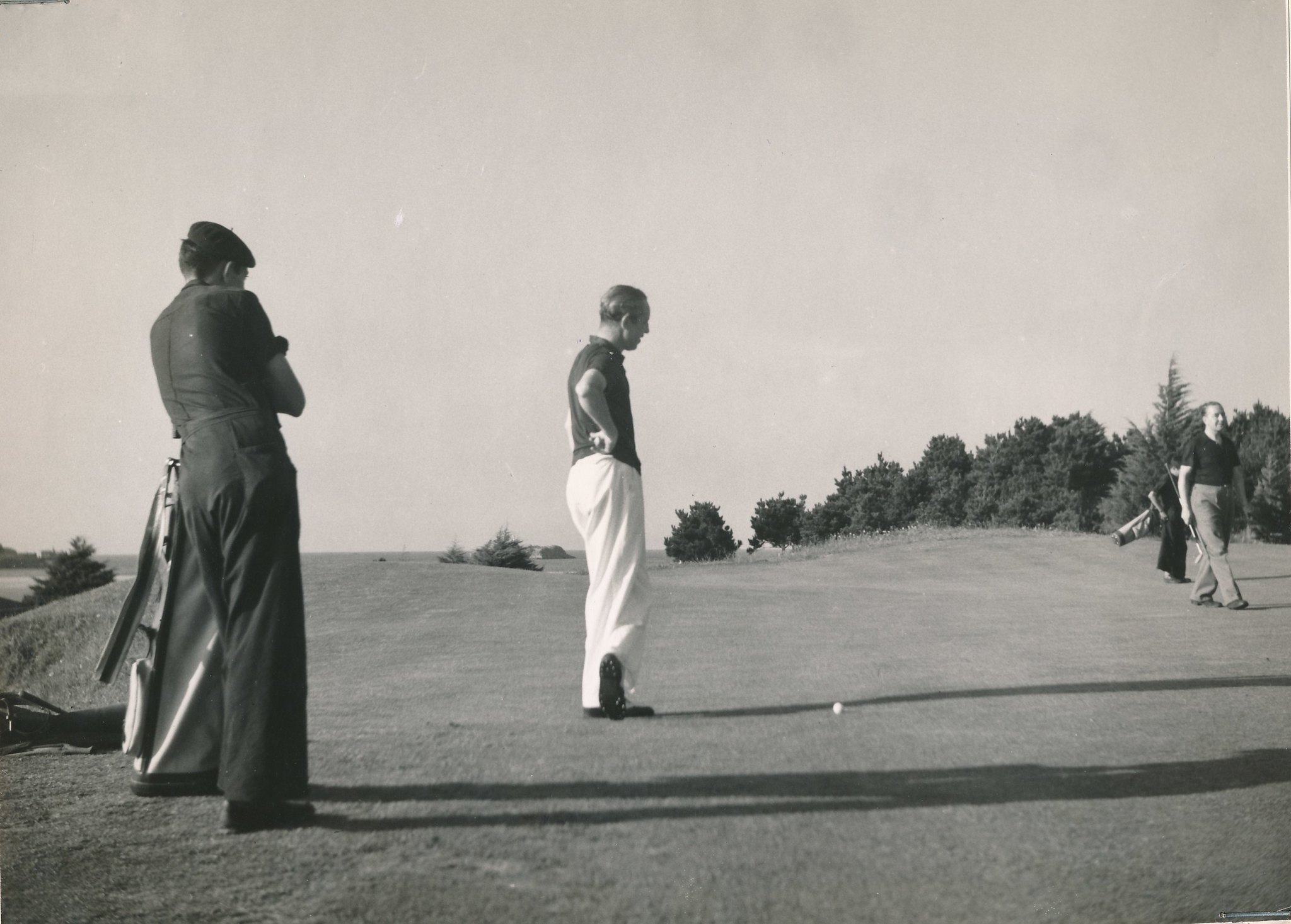
La Rioja offers three championship courses within 45 minutes of Logroño:
Club de Campo Sojuela: Designed by Severiano Ballesteros, rated 8.1/10
Rioja Alta Golf Club: 18-hole, par 72, designed by Enrique Saenger
El Campo de Logroño: Features Spain’s longest hole at 619 meters
Additional Outdoor Activities
The region’s 18,000 hectares of mountains covered with pine, beech, and oak trees provide endless opportunities:
Fishing in mountain streams
Horseback riding through vineyards
Cycling routes including portions of the Camino de Santiago
Mountaineering in the Sierra de la Demanda
Tennis and swimming facilities
Where Are the Best Luxury Accommodations and Experiences?
Luxury in La Rioja isn’t about showing off. It’s about experiencing something genuine that happens to be exceptional.
Unique Accommodation Options
Hotel Marqués de Riscal: Frank Gehry-designed architectural marvel with Michelin-starred restaurant, integrated into working winery.
Los Arandinos: Boutique spa hotel overlooking Riojan countryside with restaurant tipped for Michelin recognition.
Private Wine Lodges: Several boutique properties offer exclusive access to vineyards, private tastings, and personalized winemaking experiences.
Concierge-Level Services
The best La Rioja experiences include:
Private helicopter transfers from Bilbao airport
Exclusive access to historic bodegas not open to public
Personal wine ambassadors fluent in multiple languages
Custom itineraries connecting La Rioja with Basque Country
Private tastings with master winemakers
Transportation and Access
Accessibility Advantages:
1 hour from Bilbao Airport
1.5 hours from Zaragoza
2 hours from Madrid
Easy access to France via Basque Country
How Can You Connect with La Rioja’s Wine Community?
Wine tastes better when shared with people who understand it. La Rioja offers communities that go far beyond typical wine clubs.
Exclusive Wine Communities
The most meaningful experiences happen in small groups with shared passions. Some wine communities in La Rioja limit membership to maintain intimacy and quality of experience.
CLOS CIEN Example:
Limited to close circle of members
Members craft their own wines with master winemaker guidance
Organized travel to other wine regions (Mediterranean cruises, Burgundy visits, and Ribero EL Duero)
Club events featuring experts from wine, food, art, business, and entertainment
University of La Rioja partnership
Traditional Wine Culture
La Rioja’s wine culture extends beyond formal clubs:
Harvest festivals in September and October
Traditional bodegas offering multi-generational perspectives
Local wine bars where vintners gather to share knowledge
Seasonal celebrations marking different stages of winemaking
Member Exchange Programs
Progressive wine communities offer:
Wine swapping between members
Shared access to rare vintages
Collaborative winemaking projects
Educational exchanges with other wine regions
What Seasonal Experiences Should You Plan For?
La Rioja changes character with the seasons. Timing your visit makes all the difference.
How Does La Rioja Compare to Other Wine Tourism Destinations?
Let’s be direct about the differences.
Cost Comparison
Land Values (per acre):
Bordeaux AOC: €60,000 average
Napa Valley: €250,000+
La Rioja: Significantly lower, offering better value
Experience Costs:
La Rioja offers premium experiences at accessible price points
Skiing, golf, and cultural activities cost less than equivalent experiences in France or California
Restaurant prices remain reasonable even at Michelin-star level
Accessibility Comparison
La Rioja offers unique positioning:
Urban access: Multiple major cities within 2 hours
International connectivity: Easy flights to Bilbao from across Europe
Cultural variety: Basque, Spanish, and French influences within reach
Geographic advantage: Mountains, coast, and plains all accessible
What Should First-Time Visitors Know?
Your first La Rioja experience sets the tone for everything that follows.
Planning Your Visit
Recommended Duration:
Minimum: 4 days to experience basics
Optimal: 7-10 days for comprehensive experience
Extended: 2+ weeks to include Basque Country integration
Transportation:
Rent a car for maximum flexibility
Bilbao Airport offers best international connections
Train connections available but limited
Private transfers available for luxury experience
What to Prioritize
First-Time Must-Dos:
Visit at least one UNESCO site (San Millán de la Cogolla)
Experience both traditional and modern wineries
Take a day trip to San Sebastian for culinary experience
Explore one medieval village thoroughly
Participate in at least one outdoor activity
Hidden Gems to Discover:
Small village festivals (check local calendars)
Family-run restaurants not in guidebooks
Hiking trails connecting villages
Local markets in Logroño and Haro
Sunset views from hilltop villages
Avoiding Common Mistakes
Don’t Just Focus on Wine:
La Rioja’s diversity is its strength
Balance wine experiences with cultural and adventure activities
Connect with local communities beyond tourism
Don’t Rush:
This isn’t a wine region you visit in a weekend
Each village has its own character worth discovering
Seasonal changes offer completely different experiences
Don’t Ignore the Basque Connection:
Bilbao and San Sebastian are integral to the La Rioja experience
Basque culture heavily influences northern La Rioja
Transportation between regions is straightforward
Why Choose La Rioja Over Other Wine Destinations?
After experiencing wine regions across the world, La Rioja offers something unique: completeness.
The Complete Experience Advantage
Most wine regions excel in one area. La Rioja excels in five:
Wine Heritage: 1,000+ years of documented winemaking
Cultural Significance: Birthplace of Spanish language
Adventure Access: Year-round outdoor activities
Culinary Excellence: Access to world-class dining
Community Connection: Intimate, authentic experiences
Value Proposition
La Rioja delivers premium experiences without premium prices:
World-class wines at accessible costs
Luxury accommodations reasonably priced
Adventure activities cost significantly less than Alpine equivalents
Cultural experiences often free or low-cost
Transportation costs reasonable due to regional proximity
Long-Term Relationship Potential
Unlike destination wine regions you visit once, La Rioja rewards return visits:
Seasonal changes create entirely different experiences
Deep cultural layers reveal themselves over time
Wine community connections strengthen with repeated interaction
Adventure activities offer year-round variety
Geographic position enables exploring wider northern Spain
Ready to Begin?
Most wine lovers spend their lives tasting other people’s stories. La Rioja offers the chance to write your own.
The region waits for visitors who understand that great wine comes from great places, and great places offer more than just what grows in the ground. Whether you’re drawn by the wine, the culture, the adventure, or the community, La Rioja delivers experiences that linger long after the last glass is finished.
Your La Rioja story starts the moment you realize this isn’t just another wine region. It’s a complete world waiting to be discovered.
This guide represents years of experience in La Rioja, connecting with local communities, exploring hidden corners, and understanding what makes this region truly special. The wine is exceptional, but the complete experience is unforgettable.