Tag: Finance

  • The Ultimate Wine Investment Guide: Physical Ownership vs. Digital Platforms 2025

    The Ultimate Wine Investment Guide: Physical Ownership vs. Digital Platforms 2025

    Executive Summary

    Wine investment has evolved dramatically in 2025, splitting into two distinct approaches: traditional digital platforms and modern physical ownership models. While digital platforms like Vinovest and Cult Wine offer accessibility with minimum investments from $1,000-$35,000, they come with annual fees of 1.9-2.75% and limited lifestyle benefits.

    Physical vineyard ownership traditionally required $2M+ but innovative stewardship and fractional ownership models now provide authentic ownership experiences from €60,000. This comprehensive analysis examines both approaches, revealing why selective physical ownership delivers superior long-term value for serious investors.


    Understanding Wine Investment in 2025

    Market Performance Overview

    Fine wine has delivered 13.6% annualized returns over the past 15 years, outperforming most global equities while maintaining lower volatility than real estate or gold. According to the world’s largest online wine stock exchange, Liv-ex, fine wine has delivered 13.6% annualized returns over the last 15 years – outperforming most stock markets.

    Key 2025 Statistics:

    1. Average Returns: 7-10% annually for fine wine investments, with top-tier labels exceeding 12% returns
    2. Market Resilience: Fine wine is widely considered to be a ‘safe haven asset’
    3. Global Performance: According to Liv-Ex, the two-year return of 25.68% for fine wine has beaten the return from gold and crude oil
    4. Stability Factor: Wine is largely uncorrelated with global stock markets
    5. Investment Horizon: Wine investments are often long-term, typically viewed as mid to long-term (at least 3-5 years)

    Why Wine Investment Works

    Supply Constraints Create Value

    • Limited production from prestigious regions
    • Aging reduces available supply as bottles are consumed
    • Climate change affecting traditional wine regions
    • Demand is on the rise in new markets like Asia, Latin America, Africa, and many more that are developing a taste for fine wines

    Tangible Asset Benefits

    • Fine wine is a physical asset, so it represents a very low-risk investment
    • Cultural and aesthetic value beyond financial returns
    • Option to consume the investment (unlike stocks)
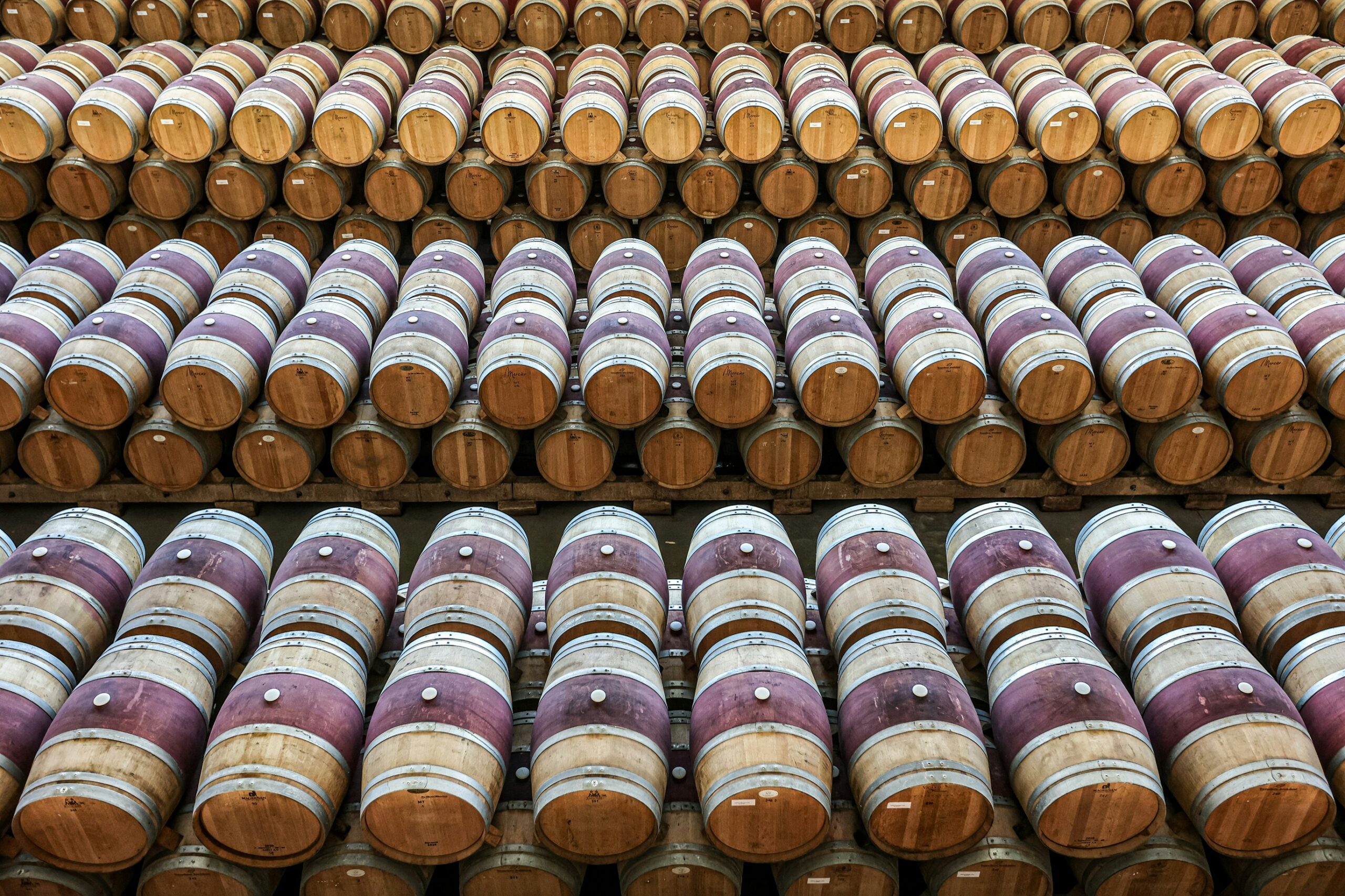
    • Storage in professional facilities maintains condition

    Digital Wine Investment Platforms Analysis

    Platform Comparison Table

    PlatformMinimum InvestmentAnnual FeePhysical AccessStorage Included
    Vinovest$1,0001.9-2.85%Yes
    shipping fees
    Yes
    Cult Wine$35,0002.25-2.75%YesYes
    Vint$258-10% sourcing feeNo
    fractional shares
    N/A
    WineFi£5,000VariesLimitedYes

    Vinovest: The Accessible Option

    How Vinovest Works:

    Using a combination of AI-powered algorithms and master sommeliers to create a portfolio of wines selected from multiple regions

    Pricing Structure (Verified 2025):

    • Starter Tier: $2,500 minimum, 2.50% annual fee
    • Plus Tier: $10,000 minimum, 2.35% annual fee
    • Premium Tier: $50,000 minimum, 2.15% annual fee
    • Grand Cru Tier: $250,000 minimum, 1.90% annual fee

    Additional Costs:

    A 1.5% selling fee is applied after wine is sold, with no charge for listing or unsold wine. Payment processors charge a 2.9% (+ 30c) fee to anyone who pays with a credit card. There’s an additional 1% fee if you make the deposit outside of the United States.

    Pros:

    • Low barrier to entry
    • Professional wine selection
    • Full authentication and insurance
    • Global accessibility

    Cons:

    • High cumulative fees over time
    • Limited control over wine selection
    • No physical location or lifestyle benefits
    • Primarily financial investment focus

    Cult Wine Investment: The Premium Option

    Investment Tiers (Verified 2025):

    Premier Cru tier starts at $35,000 with a 2.75% annual fee. Grand Cru tier starts at $150,000 with a 2.50% annual fee. Cult Cru tier starts at $700,000 with a 2.25% annual fee. Black Tier starts at $1,500,000 with a 2% annual fee.

    Key Features:

    • Direct ownership of physical bottles
    • Professional portfolio management
    • Global storage and insurance
    • Wine education and events

    Performance Track Record:

    According to Cult Wine’s own marketing materials: “Had you allocated $100,000 to Cult Wines, your money which is to say your wine – would have returned an average of 13% annually. In 2016, its index performance was actually 26%.”

    Advantages:

    • Established reputation (founded 2007)
    • Strong historical performance
    • Comprehensive service offering
    • Access to exclusive wines

    Limitations:

    • High minimum investment requirements
    • Substantial annual fees
    • Limited lifestyle integration
    • Focus purely on wine as commodity

    Physical Wine Ownership Models

    Traditional Vineyard Ownership

    Investment Requirements:

    • Initial Capital: $500,000 – $2,000,000+
    • Legal Complexity: Property law navigation required
    • Management Needs: Full-time oversight or expensive contractors
    • Risk Factors: Weather, market volatility, operational challenges

    Hidden Costs:

    1. Property Taxes: Annual obligations varying by region
    2. Insurance: Comprehensive coverage for crops and facilities
    3. Labor Costs: Seasonal and permanent workforce
    4. Equipment: Tractors, harvesting machinery, cellar equipment
    5. Compliance: Regulatory requirements and certifications

    The Stewardship Model Revolution

    How Stewardship Works
    Rather than traditional ownership challenges, innovative stewardship models provide authentic vineyard ownership without operational burdens. Members enjoy all the privileges of vineyard ownership – exclusivity, decision-making power, transferability, and legacy creation – through a streamlined membership structure that eliminates legal and administrative complexities.

    Cost Comparison:

    FactorTraditional OwnershipStewardship Model
    Initial Investment€2M+€60,000-€200,000
    Legal ComplexityHigh
    property law
    None
    membership model
    Management RequiredFull-time or expensive contractorsProfessional team included
    Time to First Vintage3-5 years2-3 years
    Risk LevelHigh
    weather, market, management
    Moderate
    shared expertise

    Fractional Ownership Models

    The Evolution of Wine Investment Access

    Fractional ownership represents the newest innovation in wine investment, allowing multiple investors to share ownership of premium vineyard allocations. This model bridges the gap between expensive digital platforms and prohibitively costly traditional ownership.

    How Fractional Ownership Works at CLOS CIEN:

    Three-Tier Structure:

    1. Origin Level: 500m² vineyard allocation producing 132 bottles annually
    2. Estate Level: 2,000m² vineyard allocation producing 528 bottles annually
    3. Single Level: 2 hectares (20,000m²) producing 5,280 bottles annually

    Membership Structure:

    • Origin: 1 Primary Member + 1 Co-Member – ideal for individual wine enthusiasts
    • Estate: 1 Primary Member + 2 Co-Members – perfect for families or business partnerships
    • Single: 1 Primary Member + 9 Co-Members – suitable for investment groups or corporations

    Creative Control Levels:

    • Origin: Partial production involvement with expert guidance
    • Estate: Partial production involvement with shared decision-making
    • Single: Complete involvement and full creative control (if desired)

    Economic Benefits:

    • Shared costs reduce individual investment requirements
    • Professional management eliminates operational complexities
    • Multiple exit strategies including membership transfers
    • Revenue generation potential for larger allocations

    Lifestyle Benefits Beyond ROI

    Digital Platform Limitations

    What Digital Platforms Cannot Provide:

    • Physical connection to winemaking process
    • Authentic cultural experiences
    • Networking opportunities with fellow owners
    • Educational programs with hands-on learning
    • Exclusive access to wine regions and events

    Physical Ownership Advantages

    La Rioja Location Benefits:

    • Culinary Capital: 18 Michelin stars within 90 minutes
    • Cultural Heritage: UNESCO World Heritage sites
    • Adventure Access: Skiing in Pyrenees (90 minutes)
    • Proximity Advantages: 1 hour from Bilbao airport
    • Language History: Birthplace of Spanish language

    Exclusive Member Experiences:

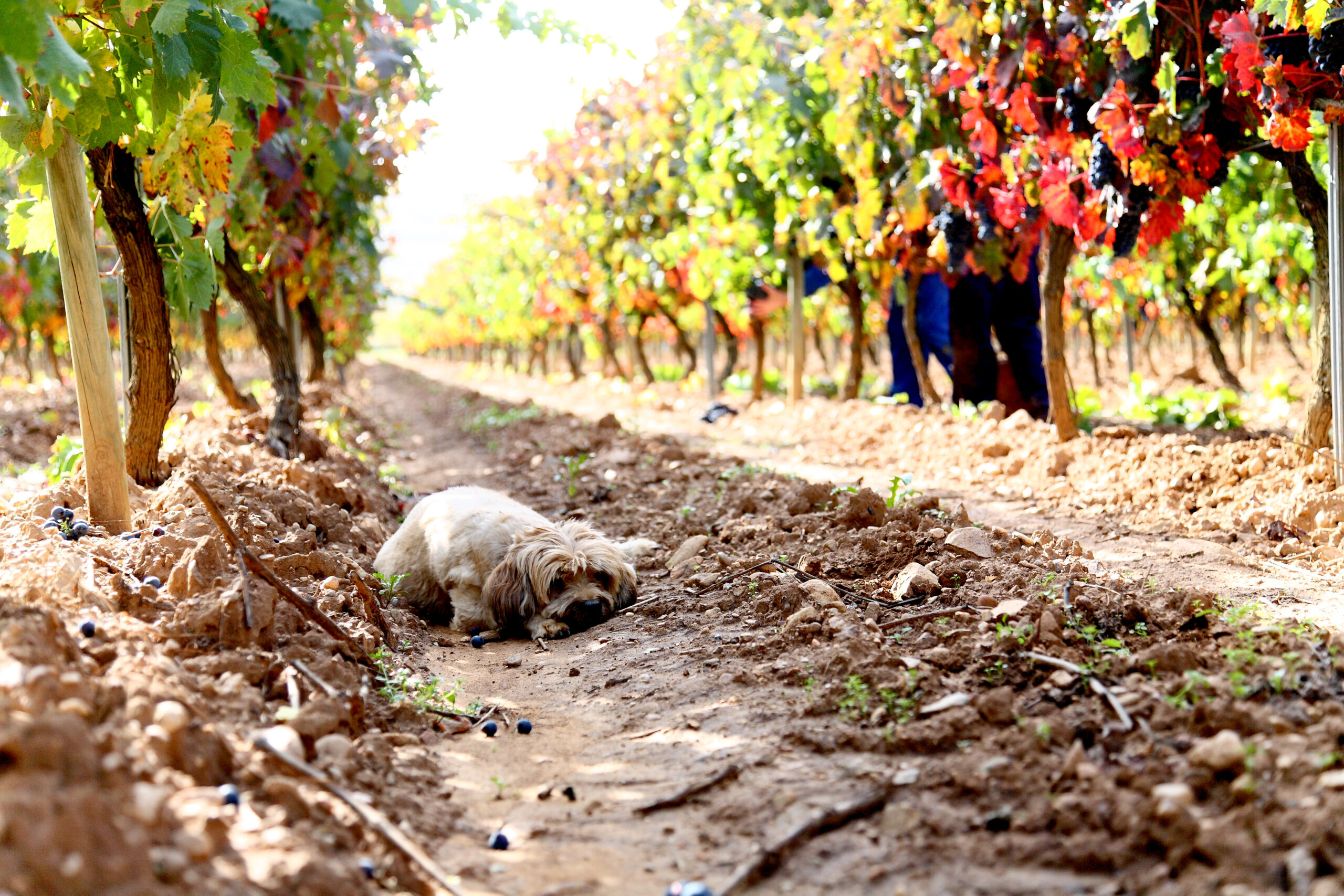
    1. Hands-on Winemaking: Participate in harvest and blending
    2. Private Tastings: Access to unreleased vintages
    3. Educational Programs: University partnerships
    4. Networking Events: Connect with fellow wine enthusiasts
    5. Travel Opportunities: Organized visits to other wine regions

    Community Value:

    • Limited membership ensuring exclusivity
    • Direct relationships with winemaking team
    • Shared experiences creating lasting connections
    • Access to lodge and concierge services

    Financial Performance Analysis

    Digital Platform Returns vs. Costs

    Vinovest 10-Year Projection ($100,000 investment):

    • Annual Return (assumed): 8%
    • Annual Fees: 2.35% (Plus tier average)
    • Net Return: 5.65%
    • 10-Year Value: $174,328
    • Total Fees Paid: $25,672

    Cult Wine 10-Year Projection ($100,000 investment):

    • Annual Return (assumed): 10%
    • Annual Fees: 2.5% (Grand Cru tier)
    • Net Return: 7.5%
    • 10-Year Value: $206,122
    • Total Fees Paid: $28,878

    Physical Ownership Economics

    Traditional Vineyard (€500,000 investment):

    • Annual Operating Costs: €50,000-€75,000
    • Management Fees: €25,000-€40,000
    • Total Annual Costs: 15-23% of investment
    • Risk: Weather, disease, market fluctuations

    Fractional Ownership Model (€150,000 investment):

    • Annual Management: Included
    • Insurance: Included
    • Professional Winemaking: Included
    • Additional Costs: Minimal
    • Expected Appreciation: 8-12% annually based on La Rioja trends

    Investment Decision Framework

    Who Should Choose Digital Platforms

    Ideal Vinovest Investor:

    • First-time wine investor
    • Limited capital ($1,000-$50,000)
    • Purely financial motivation
    • No interest in physical wine experiences
    • Preference for hands-off investing

    Ideal Cult Wine Investor:

    • Experienced wine collector
    • Substantial capital ($35,000+)
    • Interest in wine education
    • Desire for diversified wine portfolio
    • Focus on investment performance

    Who Should Consider Physical Ownership

    Ideal Physical Ownership Investor:

    • Passion for winemaking process
    • Interest in lifestyle experiences
    • Desire for exclusive community
    • Long-term investment horizon (10+ years)
    • Appreciation for cultural and educational value

    Risk Tolerance Assessment:

    1. Conservative: Digital platforms with established track records
    2. Moderate: Fractional ownership models with professional management
    3. Aggressive: Direct vineyard ownership with hands-on management

    Market Trends and Future Outlook

    2025 Market Dynamics

    Positive Indicators:

    • Fine wine investment market in 2025 has shown remarkable resilience amid global economic fluctuations
    • Growing Asian demand for premium wines
    • Limited supply from climate-affected regions
    • Increasing institutional interest

    Regional Performance:

    • Bordeaux: Stable blue-chip performance
    • Burgundy: Burgundy wines, particularly from top domaines like DRC and Rousseau, have outperformed other regions, with some vintages appreciating over 200% in just 10 years
    • Champagne: Champagne & Tuscany Wines are emerging stars, with strong gains from Dom Pérignon, Salon, and Super Tuscans like Masseto
    • Spain (La Rioja): Rioja (Spain) and Barossa Valley (Australia) show modest 3–5% growth but are attracting interest due to undervalued vintages and rising critic scores

    Technology Integration:

    • Blockchain authentication preventing counterfeits
    • AI-driven portfolio optimization
    • Fractional ownership platforms expanding access
    • Digital marketplaces improving liquidity

    2026-2030 Projections

    Expected Developments:

    1. Increased Regulation: Greater oversight of wine investment platforms
    2. Climate Impact: Shifting production regions due to global warming
    3. Generational Wealth Transfer: Millennials inheriting wine collections
    4. Sustainability Focus: Organic and biodynamic wines gaining premium
    5. Technology Advancement: IoT monitoring and smart cellar management

    Tax Implications and Legal Considerations

    Digital Platform Tax Treatment

    United States: In the U.S., wine gains are taxed as collectibles

    United Kingdom: In the U.K., fine wine is often exempt from capital gains tax due to its classification as a wasting asset. This exemption also applies in several other regions: Hong Kong, Singapore, Germany, France, and Austria.

    Physical Ownership Tax Benefits

    Spanish Tax Structure:

    • Property ownership tax benefits available
    • Agricultural designation potential advantages
    • EU residency considerations for tax optimization

    Estate Planning Benefits:

    • Physical assets easier to transfer to heirs
    • Vineyard property can qualify for agricultural exemptions
    • Cultural heritage value for family legacy

    Due Diligence Checklist

    Evaluating Digital Platforms

    Essential Questions:

    1. What is the total cost of ownership including all fees?
    2. How do they authenticate wines and prevent fraud?
    3. What is their track record during market downturns?
    4. Can you physically access your wines?
    5. What happens if the platform goes out of business?

    Red Flags to Avoid:

    • Guaranteed returns promises
    • Lack of transparency in fee structure
    • No physical wine storage verification
    • Limited customer service options
    • Recent negative reviews or regulatory issues

    Assessing Physical Ownership Opportunities

    Critical Evaluation Factors:

    1. Location Analysis: Climate, soil quality, appellation status
    2. Management Team: Experience and track record
    3. Financial Transparency: Clear cost structure and projections
    4. Legal Structure: Ownership rights and exit strategies
    5. Market Access: Distribution channels and brand recognition

    Due Diligence Process:

    1. Site Visit: Physical inspection of facilities
    2. Financial Review: Audit historical performance
    3. Legal Consultation: Contract and ownership structure review
    4. Market Research: Regional wine market analysis
    5. Reference Check: Speak with existing investors/members

    Making Your Investment Decision

    Investment Allocation Strategies

    Conservative Approach (Risk-Averse):

    • 70% Established digital platform (Cult Wine/Vinovest)
    • 20% Blue-chip Bordeaux through secondary market
    • 10% Emerging regions for diversification

    Balanced Approach (Moderate Risk):

    • 40% Digital platform for liquidity
    • 40% Physical ownership through fractional models
    • 20% Direct wine purchases for personal consumption

    Aggressive Approach (High Risk/Reward):

    • 60% Physical vineyard ownership/fractional models
    • 30% Emerging wine regions
    • 10% Wine futures and en primeur

    Portfolio Size Recommendations

    Beginner ($1,000-$10,000):

    • Start with reputable digital platform
    • Focus on education and market understanding
    • Gradually increase allocation as knowledge grows

    Intermediate ($10,000-$100,000):

    • Split between digital platform and physical experiences
    • Consider fractional ownership models for lifestyle benefits
    • Begin building personal wine collection

    Advanced ($100,000+):

    • Diversify across platforms and physical ownership
    • Consider multiple regions and vintages
    • Include direct vineyard investment opportunities

    Conclusion: The Future of Wine Investment

    The wine investment landscape in 2025 offers unprecedented opportunities for both financial returns and lifestyle enrichment. While digital platforms provide accessible entry points with professional management, they come with ongoing fees that erode long-term returns and offer limited experiential value.

    Physical ownership, particularly through innovative stewardship and fractional ownership models, delivers the complete wine investment experience: authentic participation in winemaking, exclusive community access, cultural experiences, and potentially superior financial returns without the operational complexities of traditional vineyard ownership.

    Key Takeaways:

    1. Digital platforms excel for beginners and those seeking purely financial exposure
    2. Physical ownership provides superior lifestyle benefits and community experiences
    3. Fractional ownership eliminates traditional ownership challenges while maintaining authenticity
    4. Location matters – undervalued regions like La Rioja offer exceptional opportunities
    5. Total cost analysis reveals physical ownership often delivers better net returns

    The Bottom Line:

    For investors seeking more than financial returns, physical wine ownership through carefully structured stewardship and fractional ownership models represents the optimal combination of investment performance, lifestyle benefits, and cultural enrichment that digital platforms simply cannot replicate.

    Whether you choose the convenience of digital platforms or the authentic experience of physical ownership, wine investment in 2025 offers compelling opportunities for portfolio diversification and long-term wealth building in an asset class that literally improves with age.


    Investment in wine carries risk and past performance does not guarantee future results. Consider your financial situation and risk tolerance before investing. Consult with financial and legal advisors appropriate to your circumstances.

    Sources and References

    Digital Platform Data:

    1. Vinovest Official Website – https://www.vinovest.co/
    2. Vinovest Pricing Structure – https://www.vinovest.co/pricing
    3. Vinovest Payment Fees – https://www.vinovest.co/help/are-there-additional-fees-depending-on-the-payment-method
    4. Cult Wine Investment Plans & Fees – https://www.wineinvestment.com/how-it-works/plans-and-fees/
    5. Cult Wine Investment Performance – https://www.wineinvestment.com/

    Market Performance Data:

    Industry Analysis:

    Evaluation: