
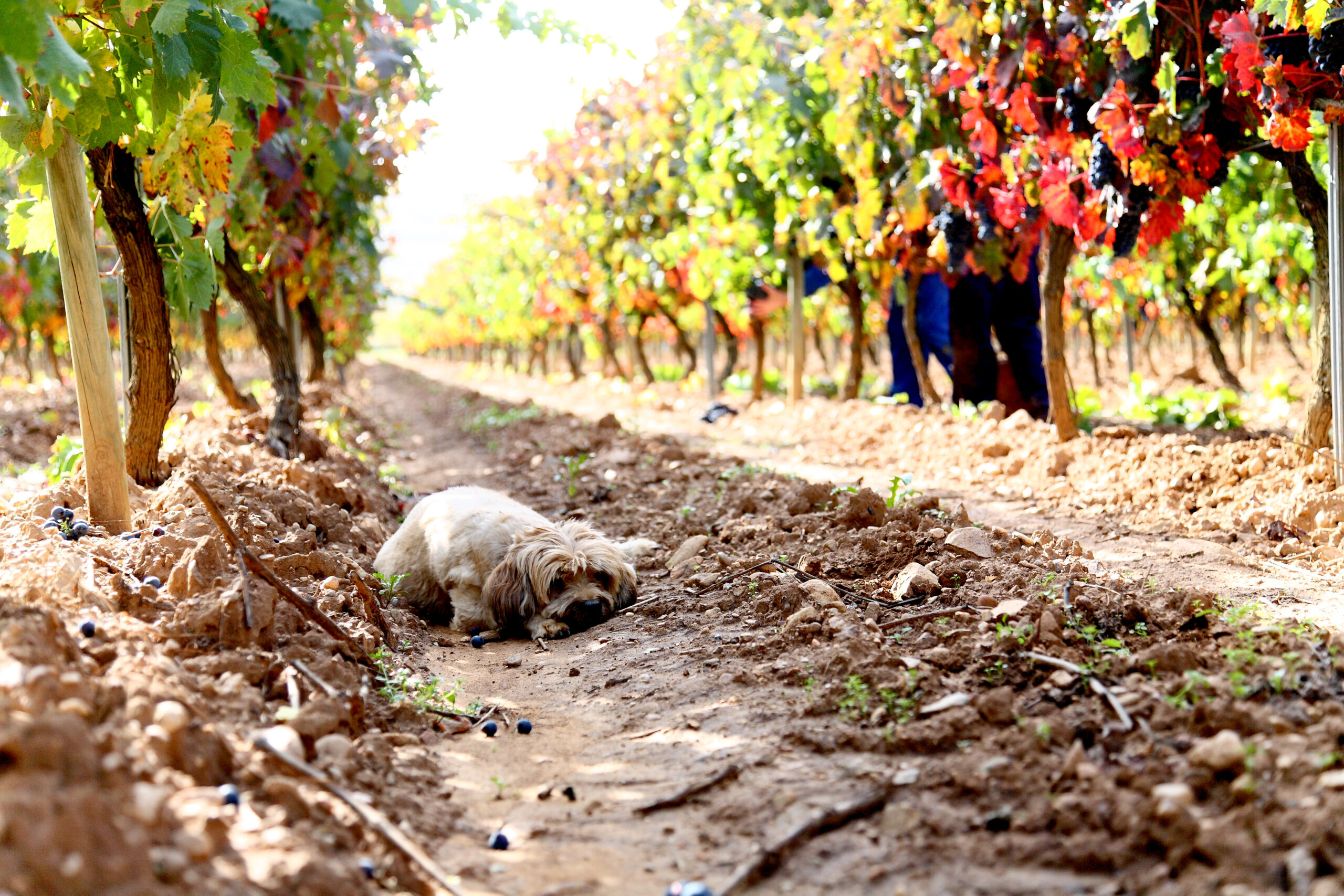
La Rioja is the most Exciting Fine Wine Region on Earth Right now.
The market is waking up. The wines are ready. The question is whether you are.
I’ve been living and working in La Rioja for thirty years. I know these vines, these soils, these harvests. And I’ve watched, sometimes with frustration, as the rest of the world caught up with something I’ve always known: Rioja is one of the great wine regions on earth, and most investors still haven’t noticed.
That’s starting to change. And the window for getting in early is still open, but it won’t stay that way forever.
The Perception Gap is the Opportunity
Every year, the fine wine trading platform Liv-ex publishes its Power 100, a ranking of the world’s most valuable and investable wine brands. Burgundy has 39 entries. Bordeaux has 27. Spain has one. One. Vega Sicilia, at number sixteen.
Tim Atkin MW, in his 2026 Rioja Special Report, puts it plainly. At its best, Rioja belongs at the world’s top table, and produces wines that are every bit as good as great clarets or red Burgundies. And considerably more affordable too.
That gap between quality and perception is exactly where opportunity lives. Burgundy prices have climbed so steeply that many buyers have been priced out entirely. Bordeaux has had a difficult decade of reckoning with its own relevance. Rioja, meanwhile, has been quietly producing some of the most compelling wines in the world, and almost nobody in the investment mark

Old Vines, Ancient Soils, and a Track Record That Goes Back Centuries
Rioja has 13,693 hectares of vines over forty years old. Some parcels have passed their hundredth birthday. These aren’t talking points. They’re the foundation of wines that age better than almost anything else on the planet.
Atkin writes about pouring old Riojas from the 1950s, 1960s and 1970s, and being frequently amazed by their complexity and longevity. Venerable producers like CVNE, La Rioja Alta, and López de Heredia have given him some of the greatest experiences of his wine-drinking life.
That longevity matters if you care about what goes in your glass. And it matters even more if you care about the land underlying the wine. Old vine parcels performed much better in the difficult harvests of 2022, 2023 and 2025. Deep root systems, established over decades, give the vines a resilience that younger plantings simply cannot match. When you’re building something to last, that’s the kind of foundation you want.
Climate Change is Redrawing the Map in Rioja’s Favour
Here is something most people outside the region don’t know yet. As climate change reshapes wine regions across Europe, La Rioja’s higher altitude sub-zones are becoming some of the most sought-after growing land in the world.
In Rioja Alavesa, sheltered by the Sierra Cantabria to the north, the cooling influence of altitude is keeping harvests balanced and fresh even as temperatures rise elsewhere. Winemakers who have spent years dismissing certain high-altitude parcels are now scrambling to acquire them. As one producer in the Atkin report put it, in twenty years’ time everyone will be trying to buy land in places like Kripán.
That revaluation is happening now. The land that will produce the finest wines of the next fifty years is in La Rioja. Some of it is still affordable. Not all of it will be.
A Classification System That’s Finally Catching Up with the Quality
One of the structural changes that has been quietly transforming Rioja’s standing is the introduction of single-vineyard and village-level classifications. From the 2017 vintage onwards, Rioja has had Vinos de Municipio (village wines) and Vináedos Singulares (single vineyard wines). These designations mirror what Burgundy built its entire reputation on: the idea that specific places produce specific, unrepeatable wines.
Atkin notes that Burgundy lovers are already drinking the top Riojas. Álvaro Palacios sells a lot in Beaune. That tells you something important: the people who know the most about terroir-driven wine are looking at Rioja with new eyes.
The classification infrastructure is now in place. The market just hasn’t priced it in yet.
This Is the Moment. Here is Why.
The conditions that create generational investment opportunities in wine are specific. You need quality that outpaces recognition. You need structural change that the broader market hasn’t absorbed. You need a window before perception catches up with reality.
La Rioja has all three right now. The wines are the best they have ever been. The classification system has been reformed. The climate story is drawing attention from growers and buyers across Europe. And yet the international investment market is still treating Rioja as a value-for-money category rather than a fine wine destination.
At CLOS CIEN, we have been here for thirty years. We know which parcels matter, which soils hold something special, and which harvests will still be extraordinary in 2040. If vineyard ownership in La Rioja sounds like something you’d like to know more about, let’s talk. If not, no worries at all. But this is a conversation worth having sooner rather than later.
Source: Tim Atkin MW, Rioja Special Report 2026