
My First Month as a CLOS CIEN Member
As a new CLOS CIEN member, I – Elena Ruiz -never realized how much happens in the vineyard before a single grape appears. This January, I got to witness the quiet power of winter dormancy, an experience that changed my understanding of wine from the roots up completely. Not to say that I had any experience with taking care of my own vines before, bear with me.
What I Learned About Winter Dormancy
I always thought winter was downtime for vineyards. But as part of the CLOS CIEN community, I saw how this is when the real groundwork is laid. Every vine is storing energy, prepping for the season ahead. It’s like watching the vineyard take a deep breath before the rush of spring.
Pruning:
The Vineyard’s Most Important Decision
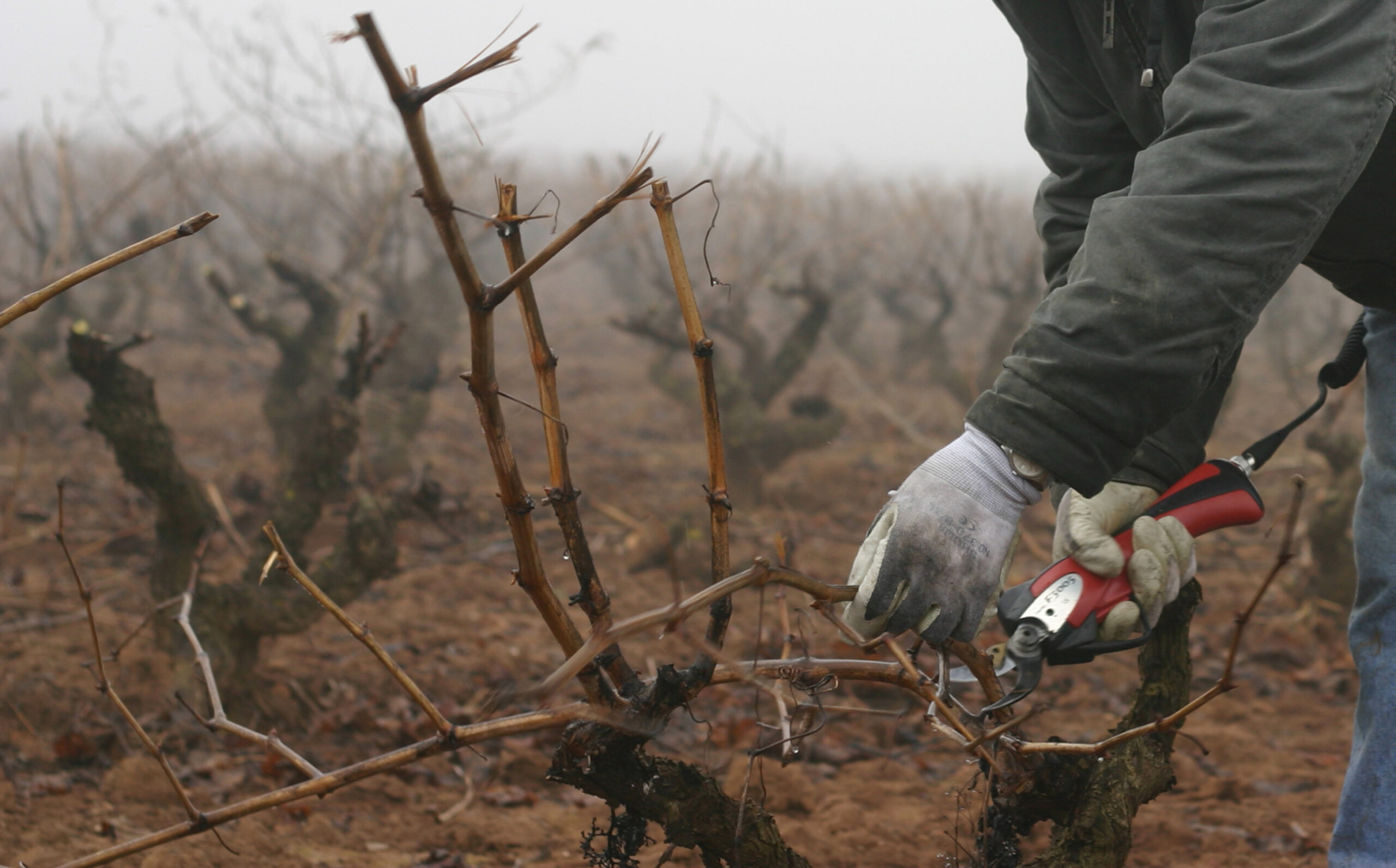
This month, I shadowed the team during pruning, the single most important task in the vineyard. I learned that every cut is a decision about quality, not just quantity.
- Yield Control: CLOS CIEN’s careful pruning means fewer grapes, but each one is packed with flavour.
- Vine Health: Clean cuts keep the vines healthy for decades. Some vines are over 80 years old!
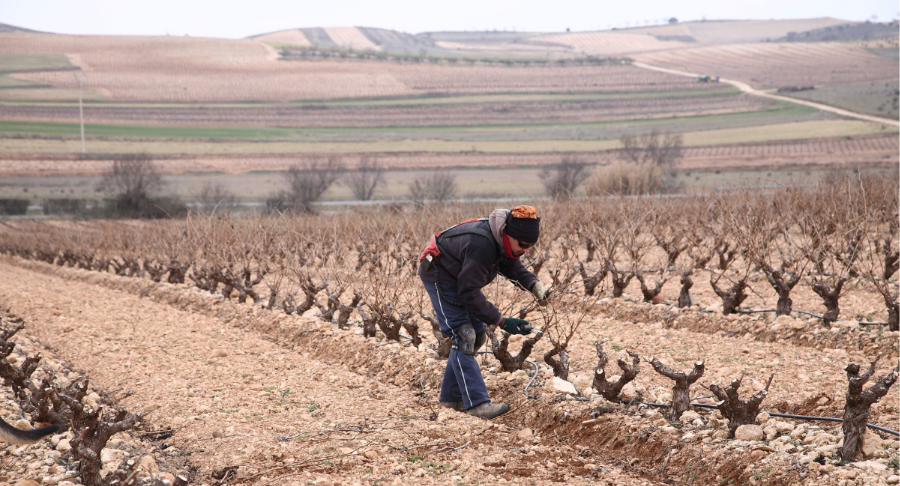
- Structure: The team shapes each vine for the best sun and airflow, using traditional bush vine methods.
Understanding the Vine:
What We’re Looking For
Before pruning, I learned how the team identifies the perfect wood to keep. The smooth, reddish-brown one-year-old canes are where this year’s grapes will grow. Each little bump on these canes is a “compound bud” nature’s backup plan. The primary bud is Plan A for grapes, but if it’s lost to frost, there’s a secondary and even a tertiary bud (though those produce less fruit). Skilled pruners make precise, angled cuts above the best buds, focusing the vine’s energy into the most promising fruit. Hopefully I can find the courage to cut my own vines someday, for now I am comfortable just watching the pro’s prune.
In the Cellar: Caring for Last Year’s Wine
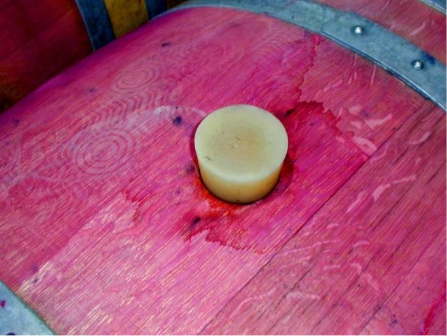
While the vineyard rests, the cellar team is hard at work. I discovered the ritual of “topping up” (relleno) oak barrels to replace wine lost to evaporation the “angels’ share.” This keeps the wine fresh and safe from oxidation. I also learned about malolactic fermentation: a natural process that transforms sharp acids into softer, creamier notes, making the wine smoother and more stable for aging.
Laguardia a Town Built on Wine
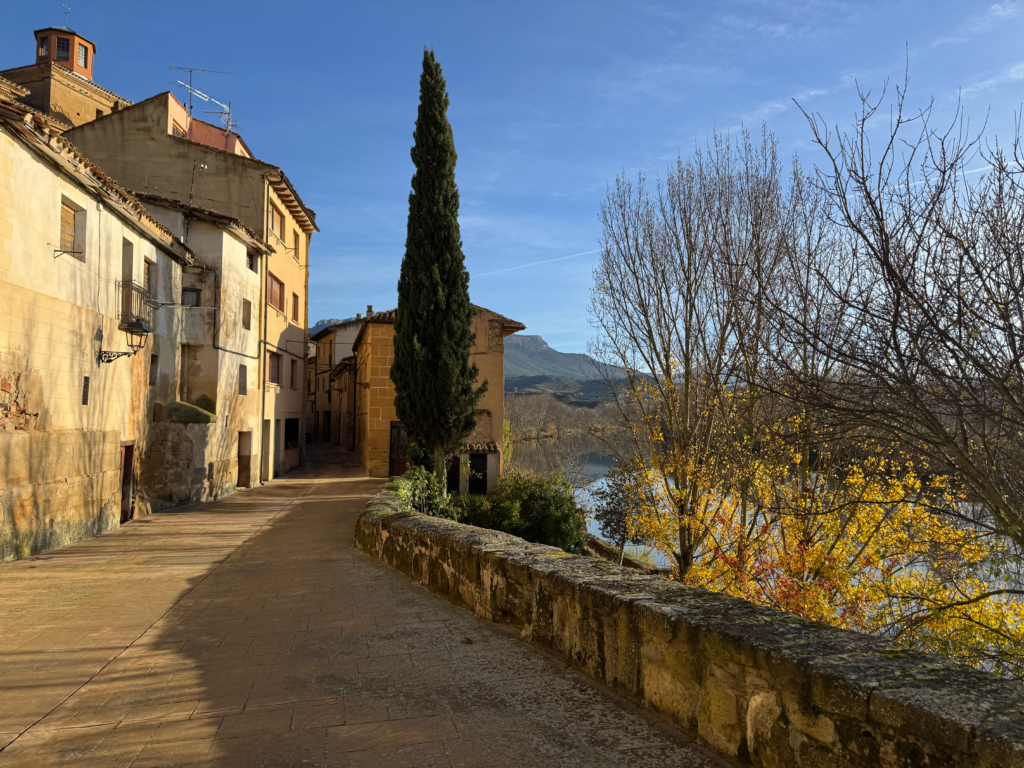
This month, I visited Laguardia, a medieval town in Rioja Alavesa where CLOS CIEN’s roots run deep. Beneath its streets lies a network of hand-dug cellars, called calados, carved out over centuries. These underground caves maintain a perfect, electricity-free environment for aging wine at 13–15°C year-round. Standing in those calados, I felt the weight of tradition and realized that every CLOS CIEN bottle is part of a story much bigger than any single vintage.
Why This Matters to Me
(and you, as a member)
Being involved in these decisions gave me a new appreciation for what goes into every bottle. As a member, I’m not just buying wine I’m completely part of the process, learning alongside the best experts and sharing in the results.
The CLOS CIEN Difference
There’s something special about knowing your wine comes from a place where tradition meets innovation. CLOS CIEN’s team respects the land’s legacy, but they’re always looking for ways to make each vintage better.
Looking Ahead
Winter is about potential. As a CLOS CIEN member, I can’t wait to see how these early decisions pay off and to share that journey with friends and my fellow members.
Want to be the first to read my latest Member Series updates?
Subscribe now and join the CLOS CIEN community on this journey with me.