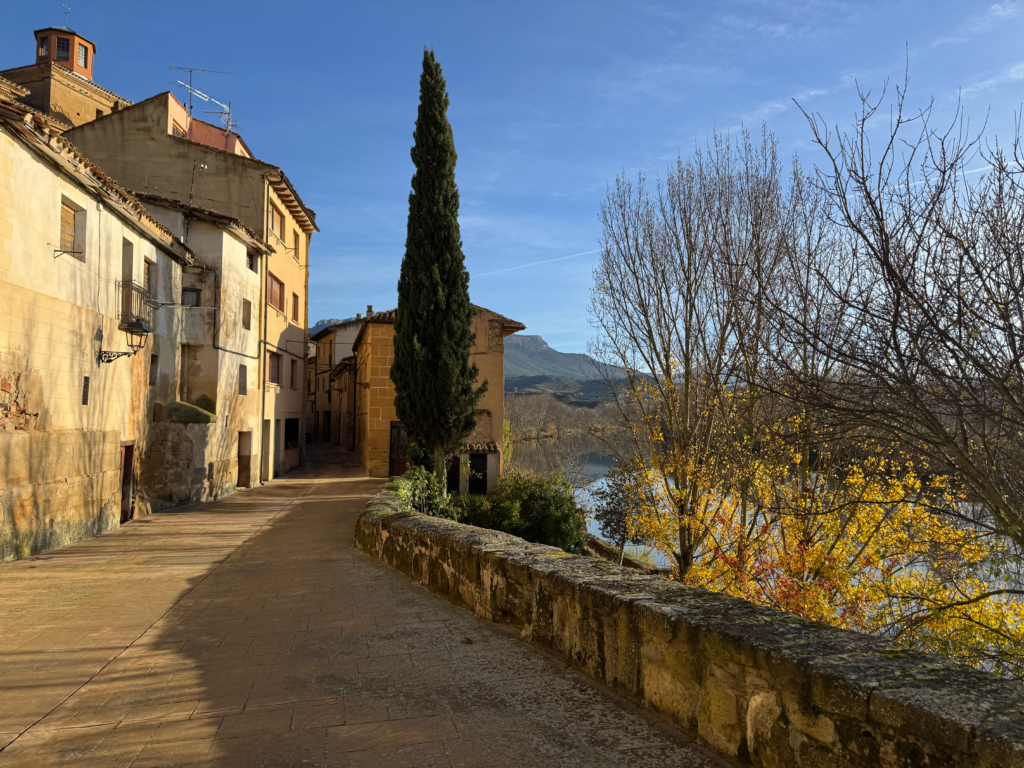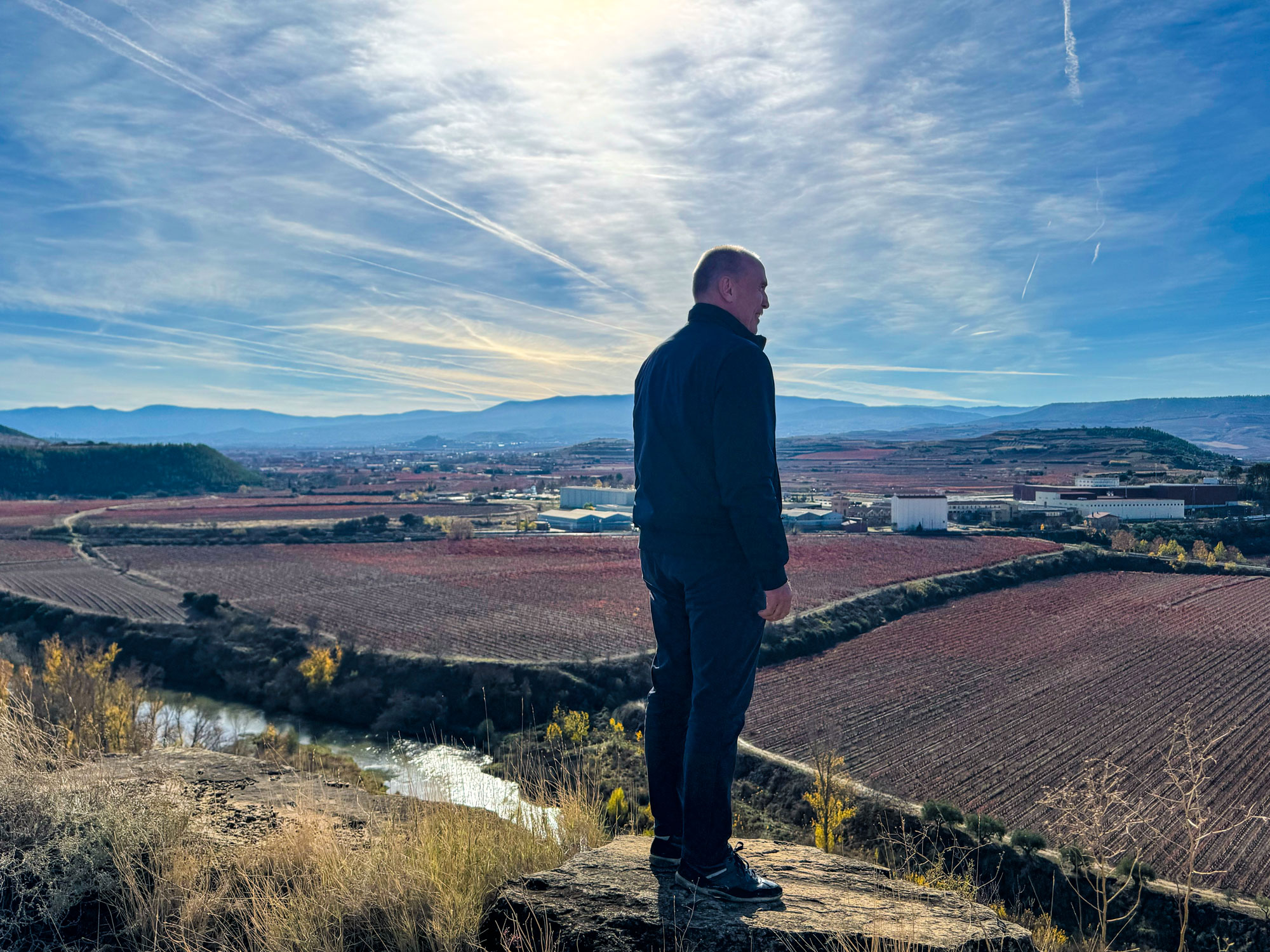
Esta es la parte que más me gusta de ser propietario de un viñedo en Rioja. Madrugar, con las botas llenas de barro, caminar por las hileras antes de que el sol haya podido calentar las piedras del norte de España. La mayoría de los días, sólo estamos las viñas, las montañas cantábricas de Rioja y yo. Sin correos electrónicos, sin llamadas, sólo tiempo para pensar en lo que está ocurriendo con la tierra y con las personas que han depositado su confianza en ella convirtiéndose en propietarios de viñedos aquí.
¿Qué significa realmente ser propietario de un viñedo en Rioja?
Mucha gente llega a Rioja con un sueño. Han probado una botella que les ha hecho reflexionar, quizás viajando por España o compartiendo vino en la mesa de un amigo, y la idea empieza a crecer: ¿y si yo mismo pudiera tener un viñedo en Rioja? ¿Y si pudiera participar en la elaboración de vino en España, aunque sólo fuera una pequeña parcela? Es una idea poderosa. Pero la realidad de ser propietario de un viñedo en España, como he aprendido a lo largo de treinta años, es más sencilla y más rica de lo que la mayoría espera.
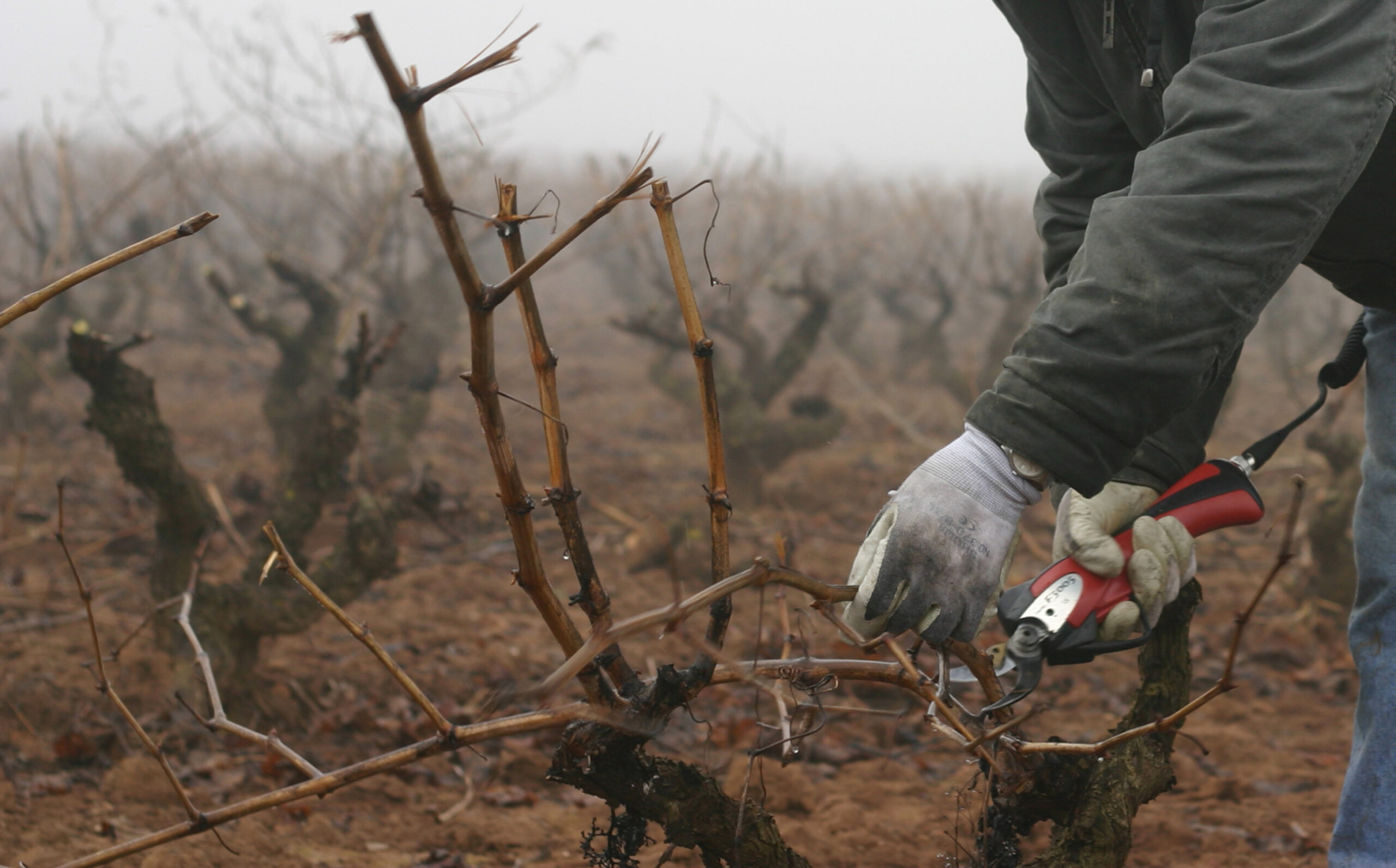
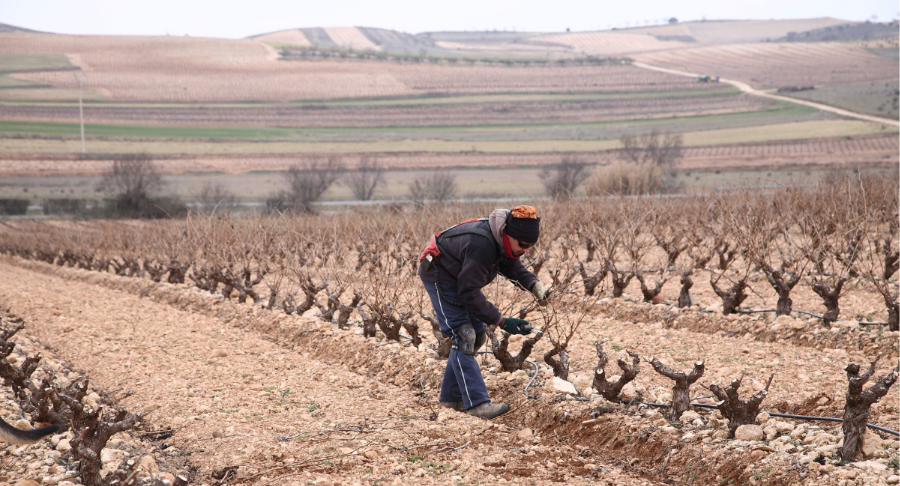
Ser propietario de un viñedo no es cuestión de grandes gestos ni de lujosas revistas. Se trata de botas llenas de barro, manos frías y de entender la tierra parcela por parcela. En febrero, las viñas parecen desnudas, casi sin vida. Pero bajo tus pies, la tierra riojana está muy viva. Si quieres entender cómo funciona realmente ser propietario de un viñedo en Rioja, aquí es donde empieza. Se aprende dónde persisten las heladas, qué hileras se secan primero, cómo cambia la luz de una parcela a otra. No son cosas que se vean en una sala de catas. Son cosas que se aprenden formando parte del viñedo.
Cómo funciona la propiedad de un viñedo en España de la vendimia a la botella
La magia de convertirse en propietario de un viñedo tiene lugar en el trabajo silencioso que la mayoría de la gente nunca ve. El invierno es la época de poda. Es cuando decidimos qué parcelas se asignarán a qué miembros, dónde es necesario replantar y cómo cada parcela dará forma a los vinos de Rioja que embotellaremos juntos. Este es el punto de partida de su vino. Las decisiones que se toman aquí, a menudo con los dedos entumecidos y un termo de café, son las que degustará en su copa dos años después. La propiedad de un viñedo no es instantánea. Sigue el ritmo de la vid.
Por supuesto, la inversión en viñedos en Rioja conlleva desafíos. La naturaleza no funciona según un calendario comercial. Un año llueve a la perfección. Otro, olas de calor que exigen madrugar y una vigilancia constante. Siempre hay realidades prácticas: postes rotos, malas hierbas obstinadas, maquinaria que se niega a cooperar. Cualquiera que esté pensando en poseer un viñedo en España debe entender esta parte. El progreso en viticultura se mide por temporadas, no por días. Pero en la vendimia, cuando se prueba la fruta y se ve cómo toma forma la cosecha, el trabajo y la espera cobran sentido.
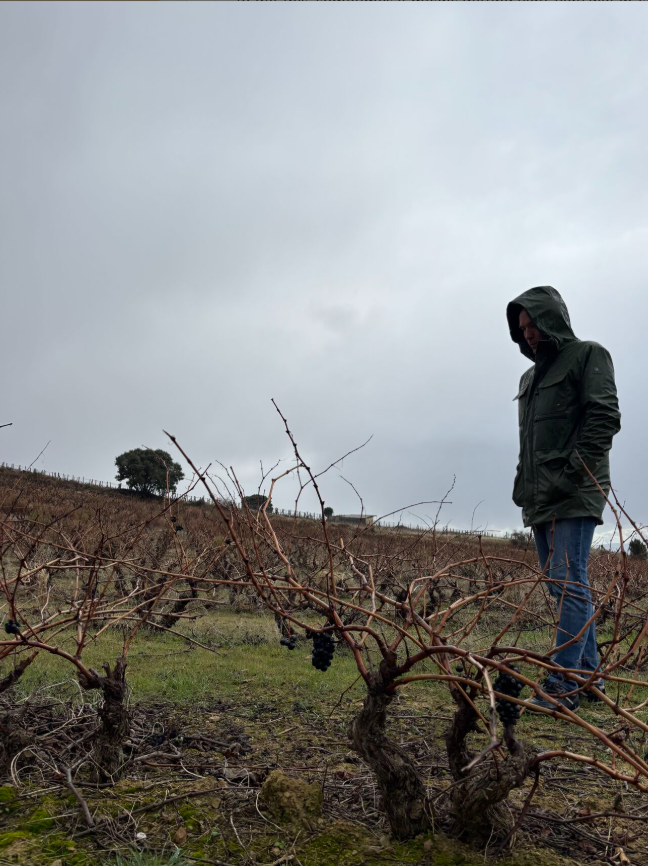
Lo que sorprende a muchos nuevos propietarios de viñedos en Rioja es lo rápido que la tierra se convierte en algo personal. Empiezan a hablar de “sus” viñas y “su” parcela. La visitan en primavera para ver los primeros brotes, en verano para recorrer las hileras, en otoño para ayudar a vendimiar las uvas que se convertirán en su vino. La propiedad de un viñedo no es sólo una decisión económica. Es participar en un lugar, en la tradición vitivinícola de Rioja y en una comunidad comprometida con la calidad y la procedencia.
Si está pensando en ser propietario de un viñedo en Rioja, sepa esto: rara vez es glamuroso y nunca pasivo. Son botas llenas de barro, mañanas frías y un compromiso a largo plazo. Pero también es real. Es ver tu nombre en una botella de Rioja que comenzó como una parcela de viñas y se convirtió en algo que puedes compartir. Para muchos de nuestros socios, poseer un viñedo en España transforma un sueño en algo tangible y duradero.
Si está considerando seriamente la posibilidad de ser propietario de un viñedo en Rioja, y quiere entender exactamente cómo funciona, de la asignación de parcelas a la participación en la cosecha, nos encantaría acompañarle. Hemos esbozado el proceso completo de incorporación, paso a paso, en nuestra página web Página del proceso CLOS CIEN. Es donde el sueño se convierte en un plan, y donde muchos de nuestros miembros se dieron cuenta por primera vez de que no era sólo una idea, sino algo que podían hacer.